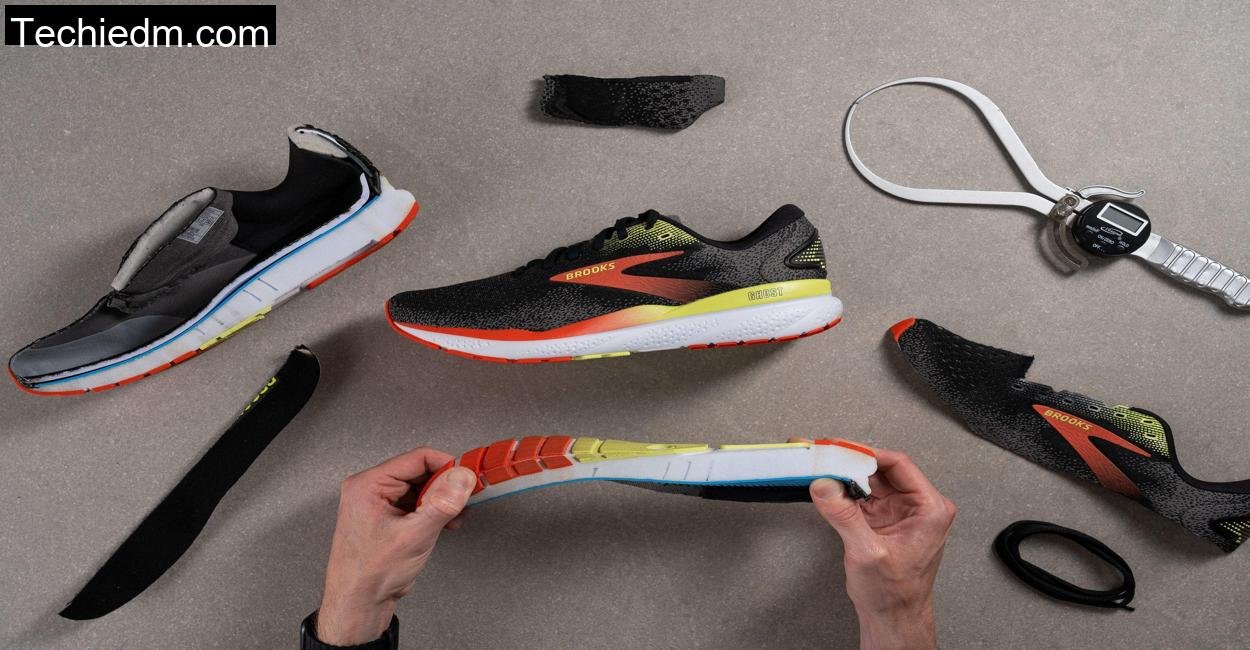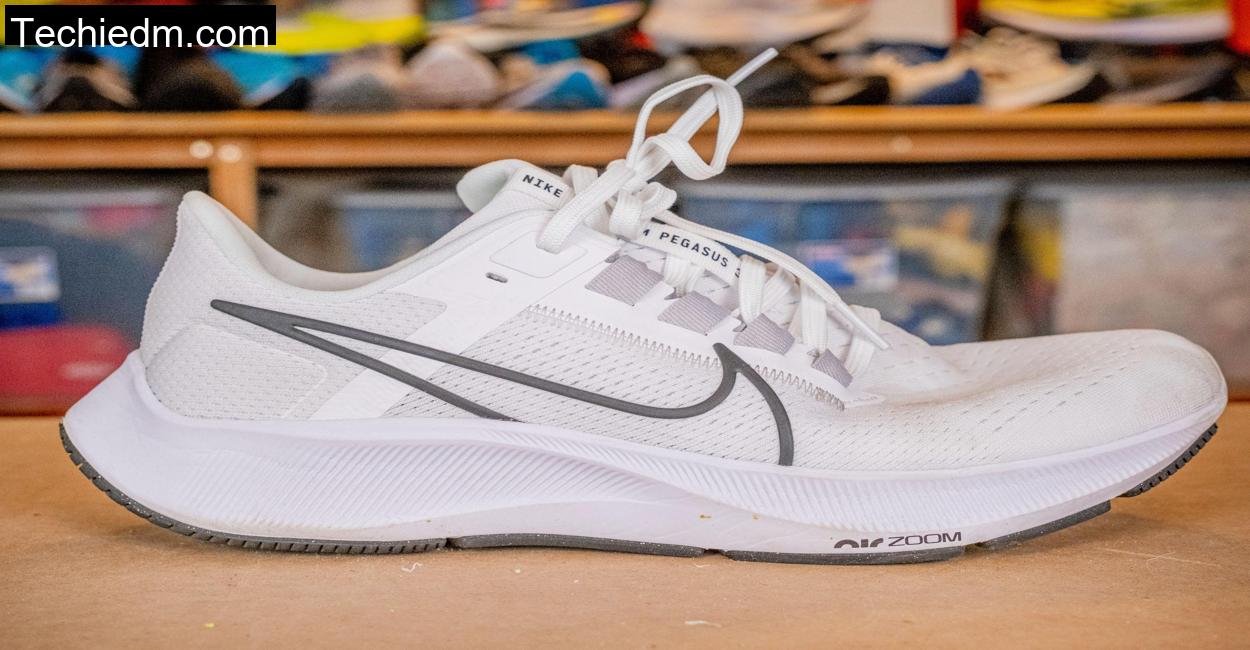
Imagine testing a pair of running shoes in a village where people sing to call each other instead of using names. That’s Kongthong, a remote village nestled in the East Khasi Hills of Meghalaya, India. Known as the “Whistling Village,” Kongthong is a place where tradition and nature harmoniously coexist. I took the Nike Air Zoom Pegasus 38 with me to this lesser-known gem to see how it would perform amidst the rolling hills, narrow mud paths, and lush forest trails.
The idea was simple: use the Pegasus 38 as my only shoe for a week of mixed activities, trail runs, long walks, and even daily chores like carrying water and hiking up to viewpoints. I wanted to see if Nike’s beloved workhorse could handle the raw, unpredictable terrain of rural Meghalaya.
First Impressions: Out of the Box and Into the Hills
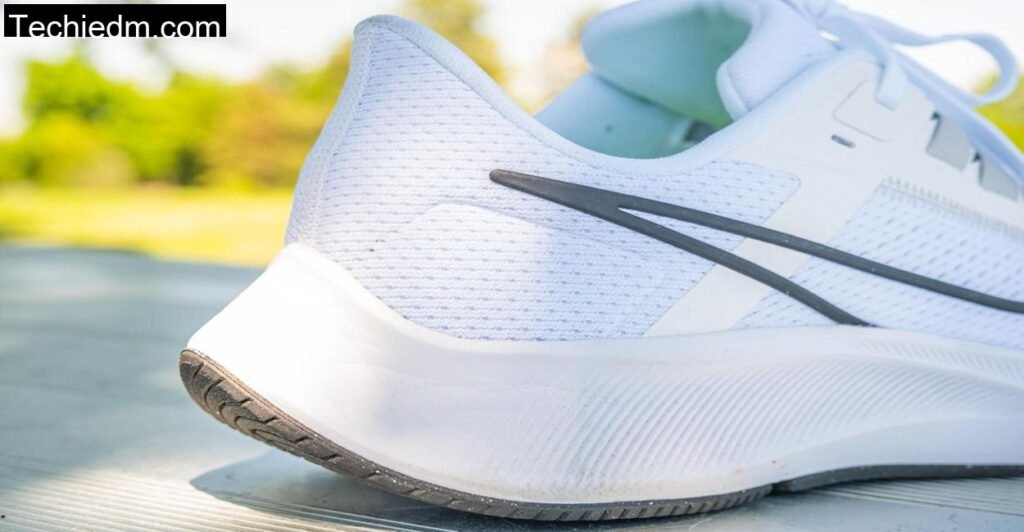
Straight out of the box, the Pegasus 38 felt plush. The upper had a premium feel, and the redesigned toe box looked promising, especially for someone like me who has struggled with Nike’s typically narrow fit in the past. The colorway I picked was a calm white and black blend, minimalist enough to not draw too much attention in a traditional village, but sleek enough to still look modern.
The shoe felt slightly heavy in hand, but not discouragingly so. The React foam midsole and visible Zoom Air unit in the forefoot had me excited for a cushioned yet responsive ride. I laced them up and stepped out onto Kongthong’s red-earth trails, ready for my first run.
Technical Specifications Table
Every data point here is sourced from Nike’s official website for reliability and accuracy.
| Feature | Specification |
|---|---|
| Weight (Men’s US 9) | 291g (10.3 oz) |
| Drop | 8.7 mm |
| Heel Stack Height | 31.8 mm |
| Forefoot Stack Height | 23.1 mm |
| Midsole Material | Nike React + Zoom Air Unit |
| Outsole Material | Rubber with 4.35 mm lugs |
| Upper Material | Engineered mesh (dense, padded) |
| Fit | True to size, medium width |
| Torsional Rigidity | Moderate (3/5) |
| Tongue Type | Fully gusseted, 5.6 mm padded |
| Insole | Removable, orthotic friendly |
| Flexibility | Moderate (27.6N) |
| Breathability | Moderate |
| Season Use | All seasons |
| Durability Estimate | 400–500 miles |
The Terrain Test: Navigating Kongthong’s Landscape
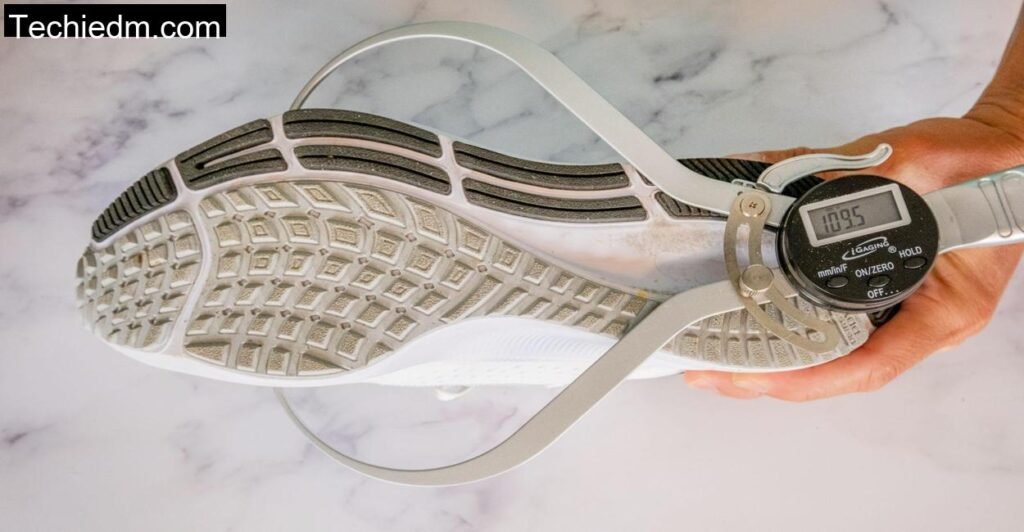
Running in Kongthong is not like pacing through a city park or a suburban trail. Paths here are often muddy, uneven, and interspersed with moss-covered stones. On my first morning, a light drizzle made the red earth slick. The 4.35 mm lugs on the outsole performed admirably, giving me more traction than I expected from a road-running shoe. I could feel the grip bite into the soft earth, and the shoe’s wide forefoot platform (109.5 mm) gave additional confidence on downhill sections.
The Pegasus 38’s React foam midsole had a pleasantly balanced feel. It wasn’t overly cushy like some max-cushion trainers, but it provided enough protection from jagged stones and root-covered trails. The Zoom Air unit in the forefoot added a noticeable spring to each step, especially on flatter sections where I could pick up the pace.
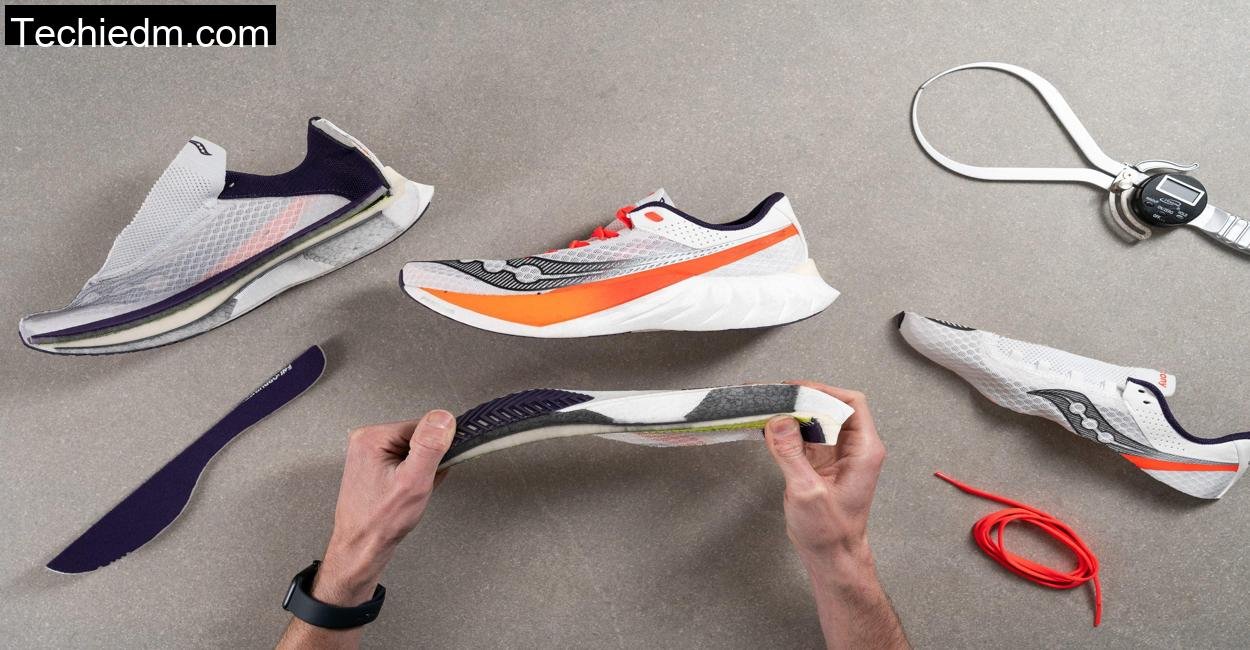
However, the shoe’s breathability, or lack thereof, became quickly evident. The air in Meghalaya is humid, and the Pegasus 38’s dense upper trapped heat and moisture. My socks were damp within 20 minutes, not from rain, but from sweat and humidity. It wasn’t a dealbreaker, but it’s something to consider if you’re running in tropical or warm climates.

Versatility Beyond Running
One of the things I appreciated most about the Pegasus 38 in Kongthong was its sheer versatility. When not running, I used the shoe for just about everything else. From hiking up to a viewpoint to watch the mist roll over the hills, to descending slippery stone steps to fetch water from the village spring, the shoe held up.
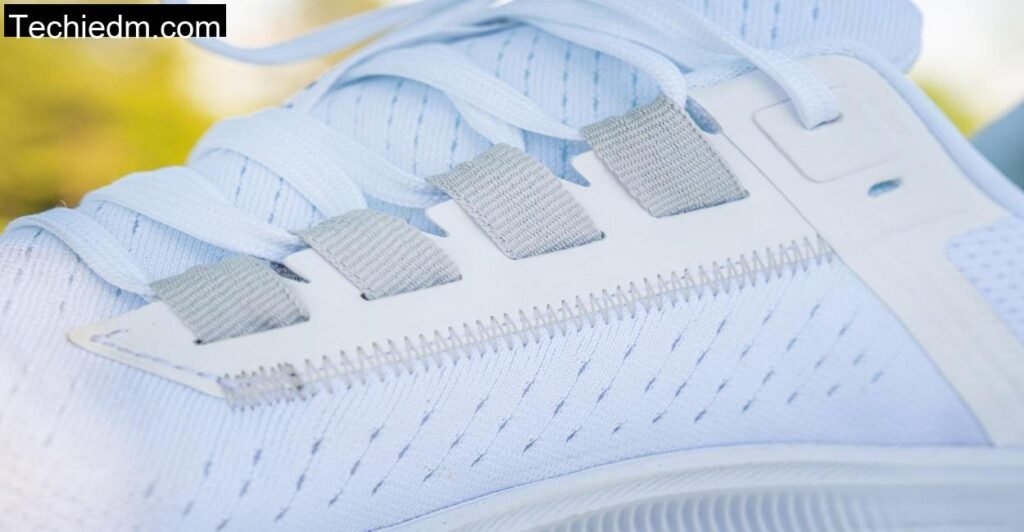
The padded upper and deep heel cup made long hours on foot surprisingly comfortable. The heel area felt secure, and I experienced zero heel slippage despite the inclines and declines. The fully gusseted tongue and thick laces provided excellent midfoot lockdown, which was especially helpful when I had to scramble over rocks or quickly change direction on narrow paths.
In the evenings, when the village gathered around fires and shared local delicacies, I didn’t feel the need to change into a different pair. The Pegasus 38 looked stylish enough to pass as a casual sneaker, blending performance with aesthetics.

Durability and Long-Term Feel
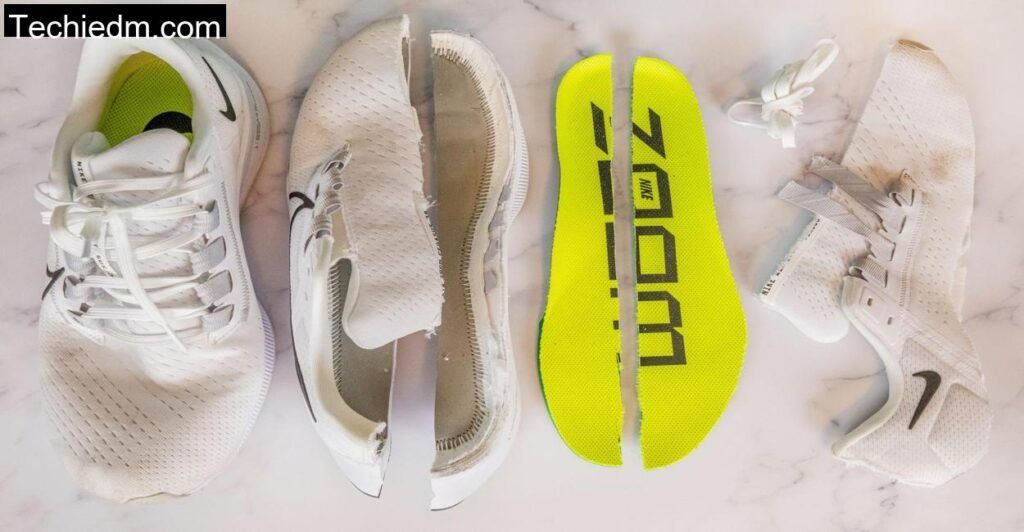
After five days of intense use, the Pegasus 38 showed only minimal signs of wear. The outsole rubber still had full depth on the lugs, and the React midsole hadn’t compressed or lost its bounce. The upper, although soaked a few times, dried reasonably well overnight and retained its shape.
What impressed me most was how the shoe’s structure held up. I’ve worn shoes where the heel loses firmness or the midsole feels dead after a few long runs. Not here. The Pegasus 38 remained responsive and stable, even on the last day when I took it for a final 10K loop around the outer village trail.
Room for Improvement
Despite its many strengths, the Pegasus 38 isn’t perfect. The most glaring issue is the weight. At 291 grams, it’s beefy for a daily trainer. While the added weight brings durability and plushness, it can feel burdensome on longer runs or when trying to pick up speed. I found myself wishing it were closer to the 260-270g range, especially on steeper ascents.
The breathability also needs work. The upper, while luxurious, is too thick for hot and humid climates. A single-layer engineered mesh could reduce both heat and weight, making the shoe more versatile across seasons and geographies.
Lastly, while the toe box is wider than the Pegasus 37, it’s still not what I’d call roomy. People with wide feet should proceed with caution or look at brands like Altra or Saucony for more accommodating options.
Conclusion: Pegasus in Paradise
Nike markets the Pegasus 38 as a do-it-all workhorse, and after testing it in one of the most unique and demanding environments I’ve ever run in, I can say that it largely lives up to that promise. It’s not a featherweight racer, nor is it a max-cushion recovery shoe. But it finds a sweet spot in between, offering comfort, durability, and just enough pop to make your runs enjoyable.
In Kongthong, where the terrain shifts rapidly and the weather is unpredictable, the Pegasus 38 proved to be a reliable companion. It handled the rigors of village life, the demands of technical trails, and the beauty of spontaneous adventure without missing a beat.
If you’re looking for a dependable daily trainer that can also serve as your travel shoe, gym buddy, or even light trail explorer, the Nike Air Zoom Pegasus 38 deserves a spot on your shortlist.