When I first laced up the Nike Air Max Alpha Trainer 6, I never anticipated pushing it beyond the boundaries of a gym floor. But adventure has a way of rewriting expectations. My journey to Pangarchulla Peak, nestled deep in the Garhwal Himalayas, was meant to test more than just my endurance, it was a bold experiment to see how a budget-friendly training shoe could perform in a high-altitude, rugged environment.
At 14,700 feet, Pangarchulla is no easy feat. With terrains ranging from dusty trails to snow-covered ridgelines, it’s a test of traction, stability, comfort, and durability. The Nike Air Max Alpha Trainer 6 was never designed for this, but that’s precisely why I chose it. Could a shoe built for HIIT sessions and weightlifting survive the harsh elements of the Himalayas?
Design and First Impressions
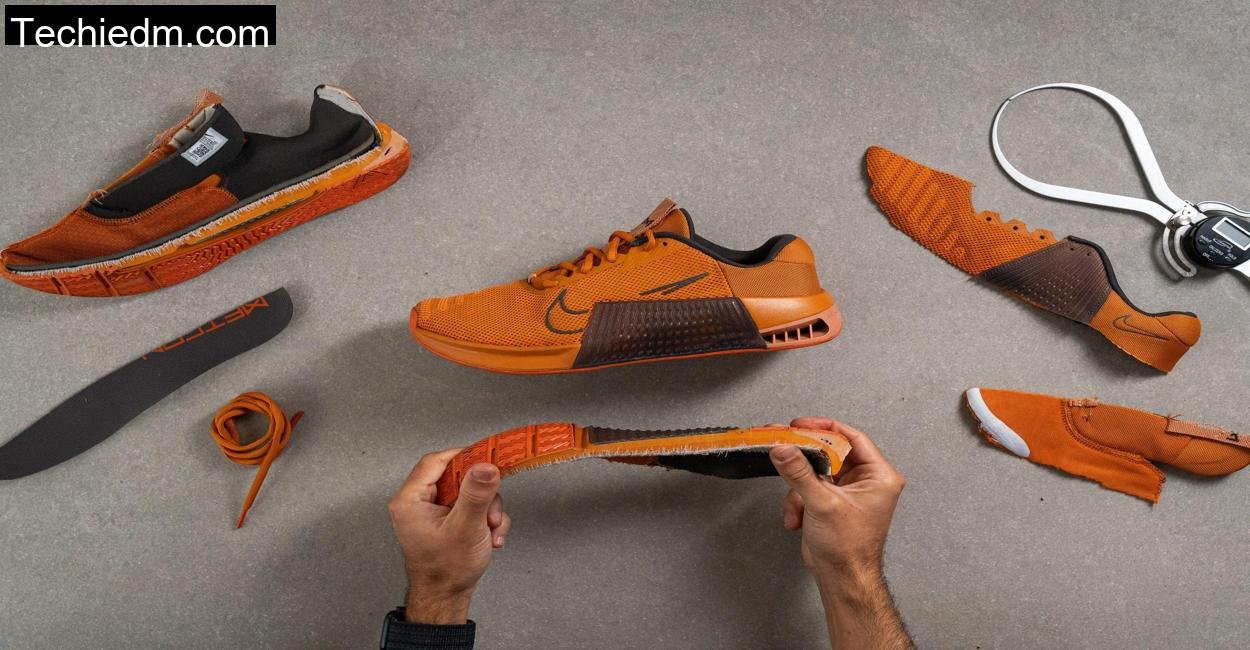
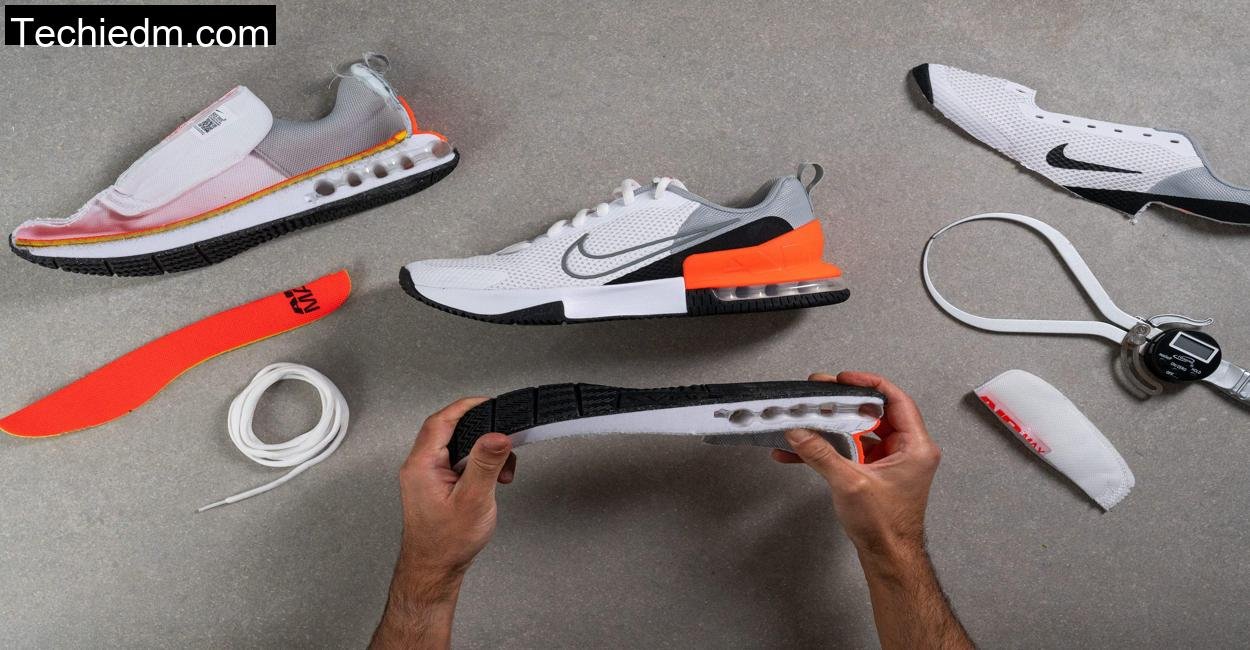
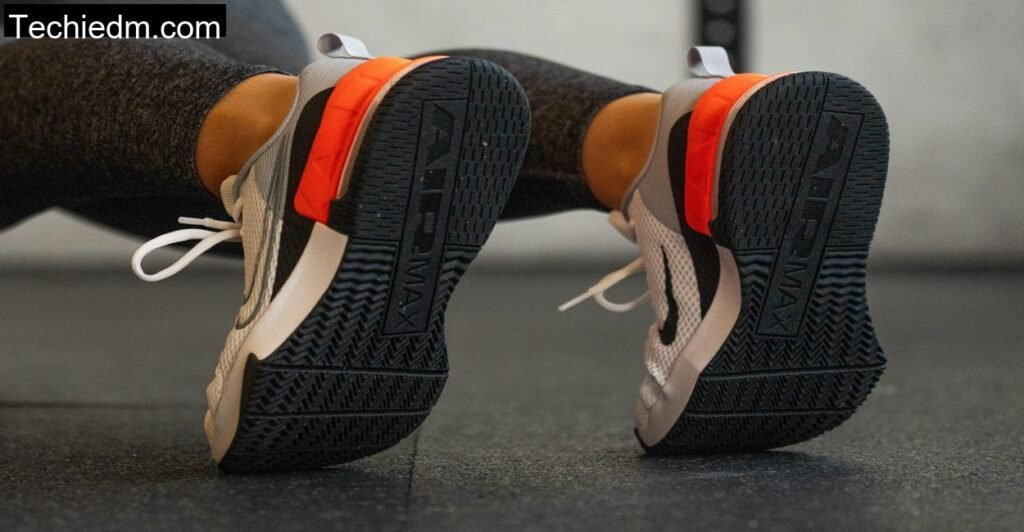
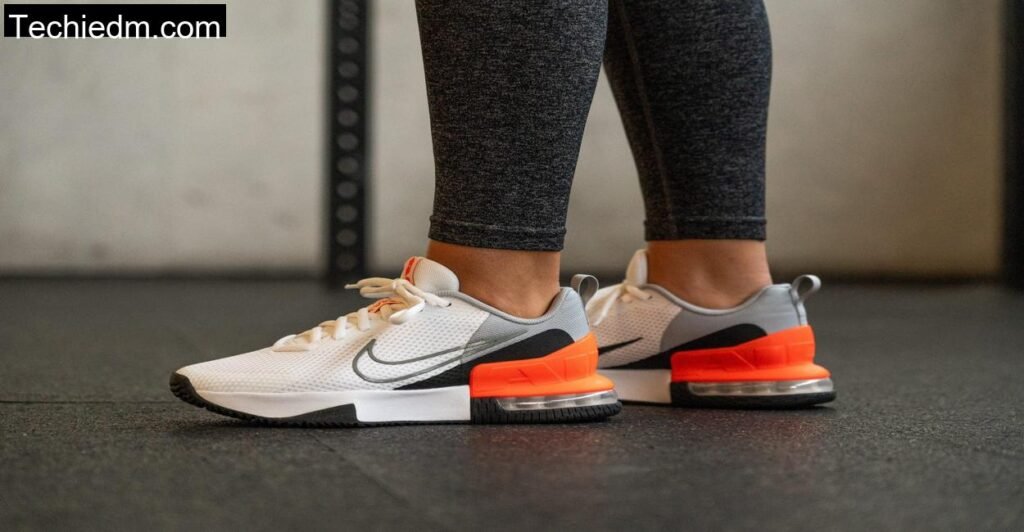
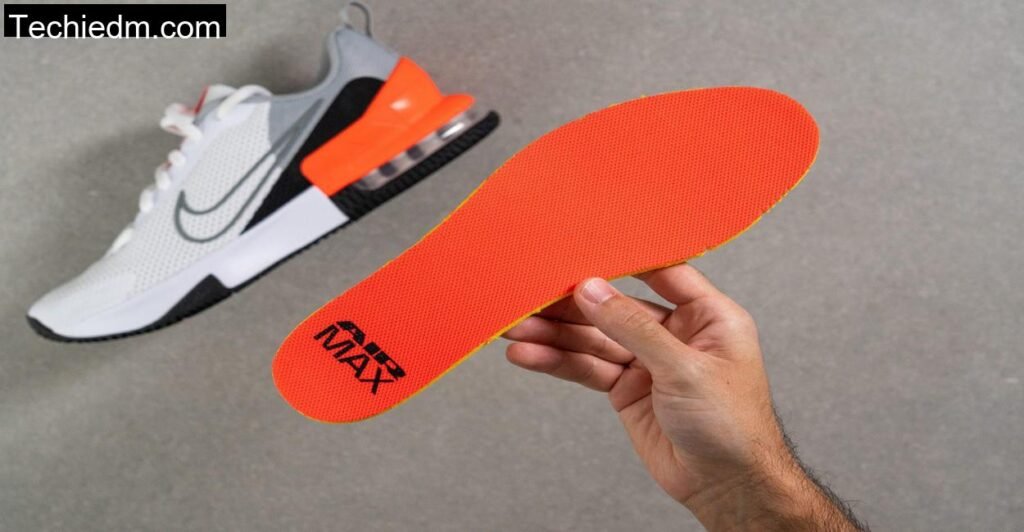
Straight out of the box, the Alpha Trainer 6 exudes a bold, almost aggressive aesthetic. The visible Air Max unit in the heel gives it a distinctive identity, while the thick midsole and padded interiors suggest a focus on comfort and impact protection. The mesh upper promises breathability, though its durability in mountain conditions was immediately a concern.
Once on foot, the shoe felt snug. It runs slightly small, so I recommend going half a size up if you’re on the fence. The fit across the midfoot was secure without being restrictive, and the padded collar offered a plush, locked-in feel.
Technical Specification
All specifications mentioned are sourced from Nike’s official site for dependable and accurate information.
| Spec | Measurement / Description |
|---|---|
| Heel Stack | 36.1 mm |
| Forefoot Stack | 25.0 mm |
| Heel-to-Toe Drop | 11.1 mm |
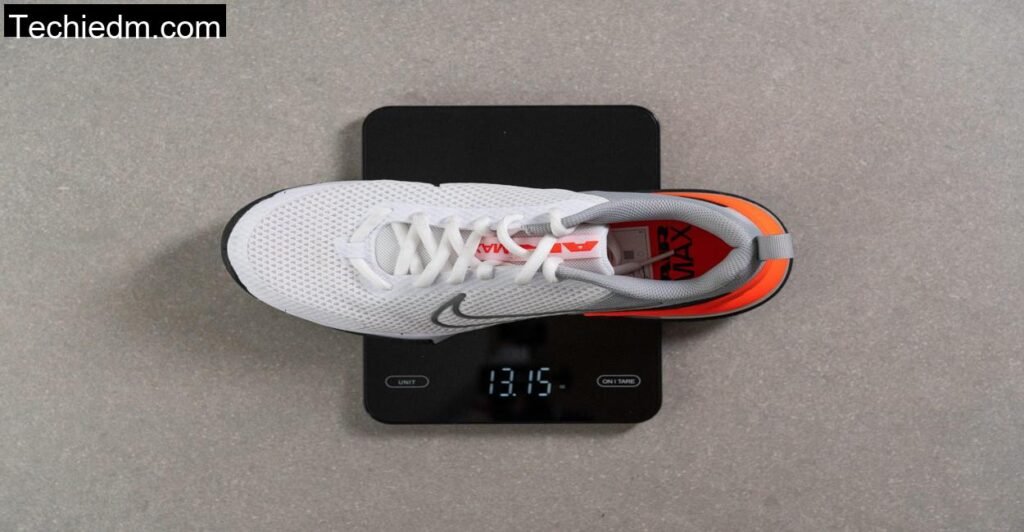
| Weight | 13.2 oz / 373g |
| Midsole Softness | 26.4 HA (Balanced) |
| Breathability | 5/5 |
| Flexibility | 17.3N (Stiff) |
| Traction (Forefoot) | 0.27 CoF |
| Torsional Rigidity | 5/5 |
| Heel Counter Stiffness | 5/5 |
| Outsole Hardness | 88.5 HC |
| Outsole Thickness | 4.0 mm |
| Insole Thickness | 4.5 mm |
The Ascent: How the Alpha Trainer 6 Fared on the Trail
The trail to Pangarchulla starts in the sleepy hamlet of Joshimath, slowly winding its way through dense oak forests, alpine meadows, and eventually to a snow-laden summit. The terrain shifts rapidly, and it’s this variability that truly stress-tests footwear.
In the initial forested sections, the Alpha Trainer 6 performed admirably. The breathable mesh upper kept my feet cool during the warm, sunny stretches. I could feel the airflow as I moved, and even when the trail got dusty, the interiors remained surprisingly dry and comfortable.
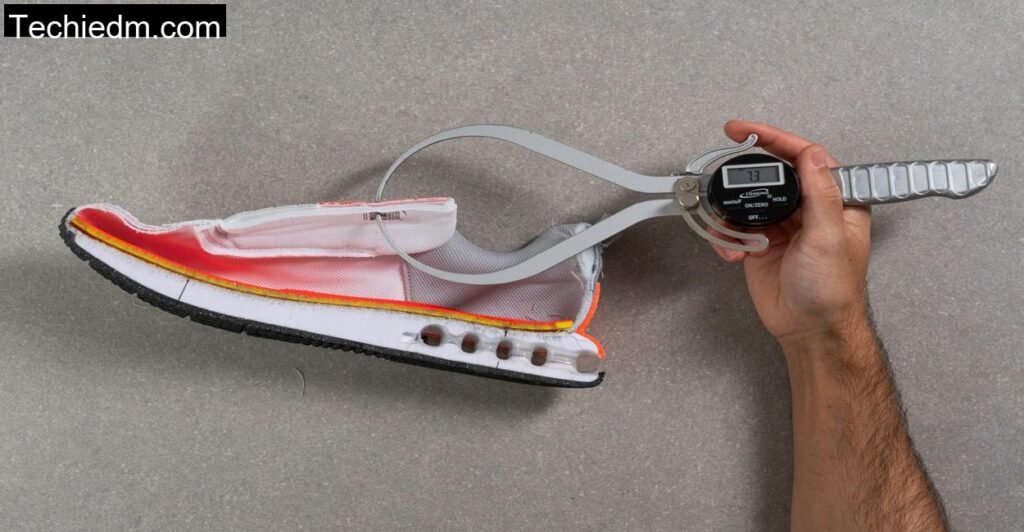
However, as we ascended into rocky terrain, the shoe’s limitations became apparent. The thick midsole and elevated heel stack created a platformy feel that was not ideal for uneven rocks. I felt slightly disconnected from the ground, making delicate foot placements more challenging. Lateral movements were stable thanks to the wide base and TPU heel clip, but the lack of ground feel was noticeable.
The Snow Test: Cushioning Over Control?
As we reached the snowline, I was both impressed and concerned. The ample cushioning, particularly in the forefoot, provided comfort during long hours on foot. On impact, especially during descents, the Air Max unit and EVA midsole absorbed shocks well. My knees and ankles appreciated the 86 SA shock absorption rating in the forefoot, noticeably better than average.
However, that same cushioning became a liability on icy patches. The low energy return (49.9% heel, 48.6% forefoot) meant the shoe felt sluggish, especially when I needed quick, reactive movements. The traction coefficient of 0.27 was decent, but not ideal for snow. I had to tread carefully, especially on downward slopes or icy ridgelines.
Flexibility and Movement: A Stiff Challenge
One of the biggest drawbacks of the Alpha Trainer 6 became evident during scrambling sections and steep ascents. The stiffness rating of 17.3N made it one of the least flexible shoes I’ve worn. Lunging forward or bending at extreme angles, common on mountain trails, required more effort. In gym settings, this stiffness supports lifting and stability, but on a trail, it felt like the shoe was resisting natural foot motion.
The lack of a gusseted tongue also meant that during steep climbs, the tongue occasionally shifted, causing minor discomfort until adjusted. It’s a small detail, but one worth noting for dynamic uses.
Durability: A Mixed Bag
After six days on the mountain, the Alpha Trainer 6 showed signs of wear, but not as much as I feared. The mesh upper, while breathable, suffered abrasions, especially around the toe box. Not unexpected, considering it was designed for gym floors, not granite and ice.
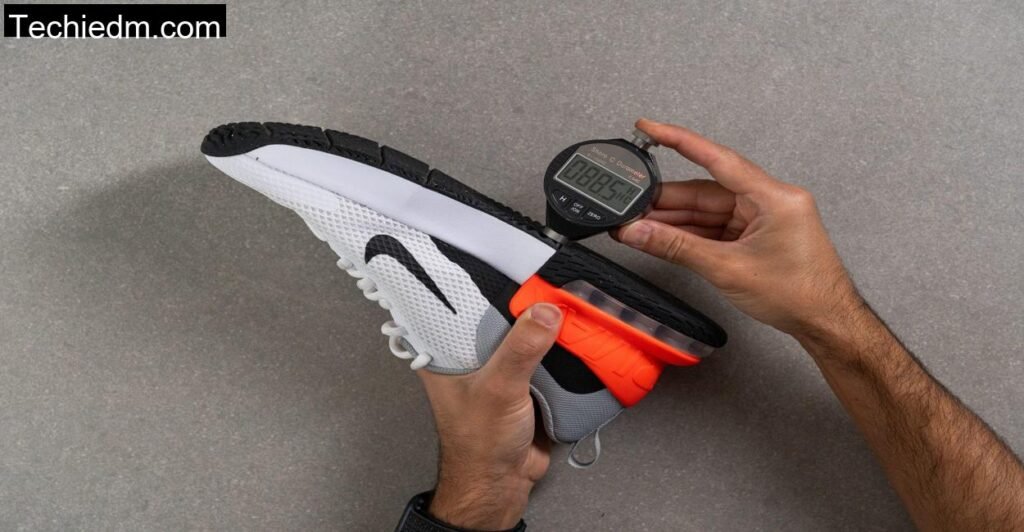
The outsole, however, held up quite well. Its firm rubber compound (88.5 HC) and 4.0 mm thickness meant it resisted the wear and tear from rocky paths. The heel padding, while comfortable, showed early fraying after consistent friction from my socks and gaiters.
Still, for a ₹9280 training shoe, it survived far beyond expectations.
Stability and Support: Surprisingly Capable
Despite its elevated sole and cushioning, the Alpha Trainer 6 impressed with its torsional rigidity and heel counter stiffness, both rated at 5/5. During lateral movements, side steps, quick turns, I felt planted. The wide base (111.6 mm forefoot and 91.1 mm heel) provided a stable platform, which was crucial during one-legged balancing or steep descents.
The shoe’s design, especially the flared lateral midsole, helped prevent ankle rolls, a common concern on uneven alpine terrain. While I wouldn’t recommend it for technical climbs, it certainly held its own for basic mountaineering.
The Descent: Comfort That Lasts
Descending Pangarchulla is a leg-burner. It’s long, steep, and unforgiving. By this point, many shoes start to falter, either through interior discomfort, lack of support, or sole fatigue. The Alpha Trainer 6, to its credit, remained comfortable throughout.
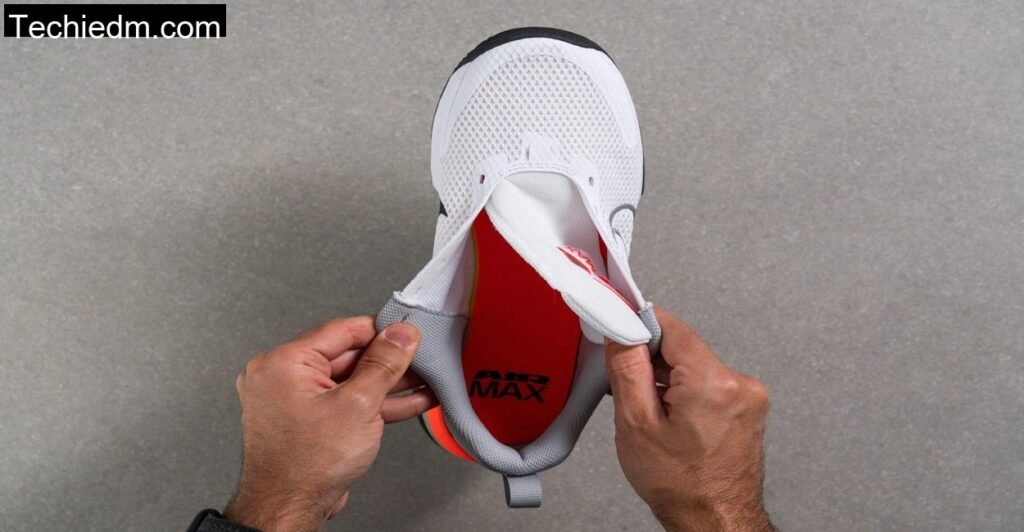
The padded interiors, particularly around the collar and tongue, prevented hot spots and blisters. The 4.5 mm insole added a plush layer underfoot, and the secure heel kept my foot locked in during sharp declines.
Even though the shoe grew heavier with accumulated moisture from snow, the overall comfort level remained consistent. That’s a testament to Nike’s design, even if the shoe wasn’t meant for alpine adventures.
Conclusion: Unexpected Hero of the Himalayas
The Nike Air Max Alpha Trainer 6 reminded me that performance isn’t always about specification, it’s about adaptation. Though not without flaws, it rose to the occasion on Pangarchulla, delivering comfort, support, and resilience in one of India’s most demanding trekking environments.
If it can survive that, it can certainly handle your next gym session.