Running shoes are often tested in controlled environments, on treadmills or urban roads, but few are subjected to the kind of rigorous, real-world conditions that Spiti Valley, Himachal Pradesh, provides. At elevations reaching over 12,500 feet, with rocky terrain, freezing temperatures, and limited oxygen, Spiti is a proving ground for both humans and gear. I took the Hoka Arahi 7, a stability shoe known for its comfort and support, to this remote corner of India to see how it would fare.
The Terrain: Spiti Valley, Himachal Pradesh
Before diving into the performance of the Hoka Arahi 7, it’s vital to understand the conditions it was tested in. Spiti Valley is not your average running locale. It’s a rugged high-altitude desert nestled between the Himalayas and the Tibetan Plateau. Trails here are dusty, uneven, and interspersed with sharp rocks, loose gravel, and steep inclines. The thin air tests endurance, and the fluctuating temperatures, dropping well below freezing at night, challenge the material integrity of any gear.
This is not a place for the faint-hearted or flimsy footwear. Which is why the Arahi 7’s performance here was both surprising and informative.
First Impressions and Fit
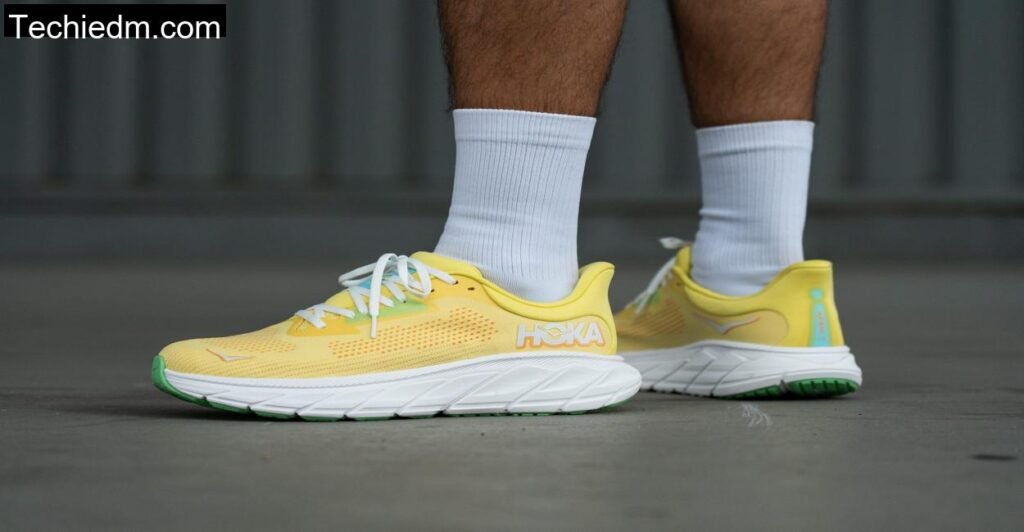
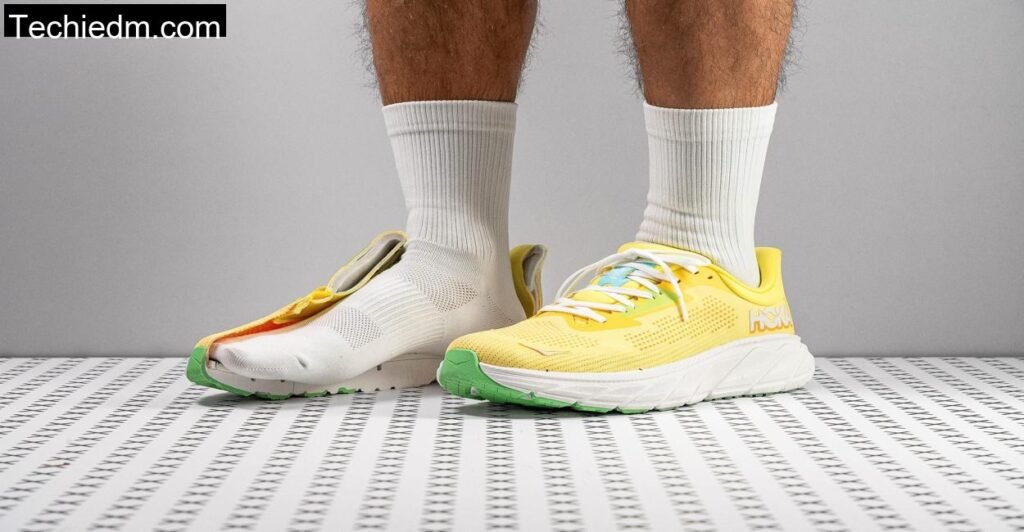
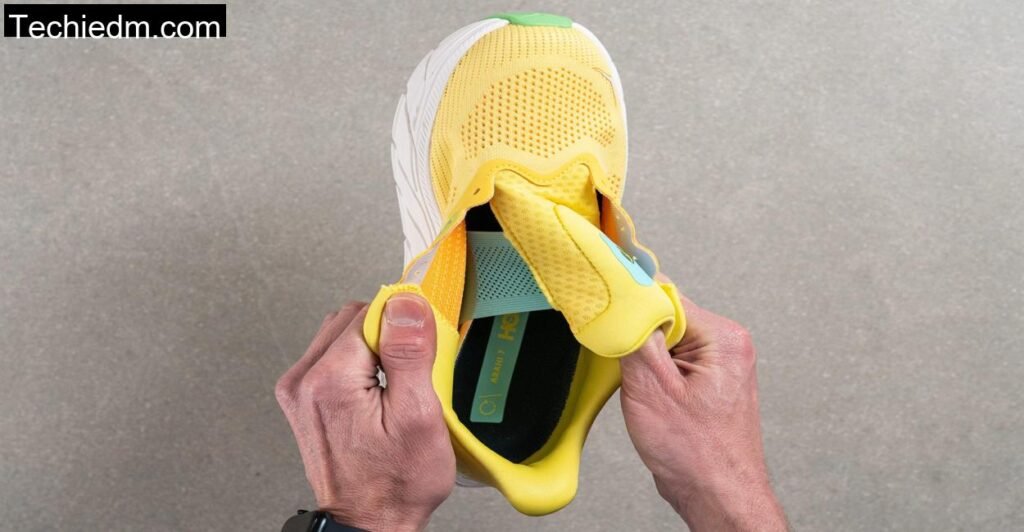
Straight out of the box, the Arahi 7 gives off a premium vibe. The upper is knit-based and hugs the foot like a sock, offering impressive step-in comfort. Despite the snug fit, the shoe doesn’t feel claustrophobic. The tongue is plush and semi-gusseted, staying in place even on steep climbs.

I wore my standard size and found the fit to be true. However, the toebox is a bit narrow, runners with wide feet might need to look for the wide version. It’s not a foot-shaped design like Altra, but it never felt restrictive during my long runs across the valley.
Performance on the Trail
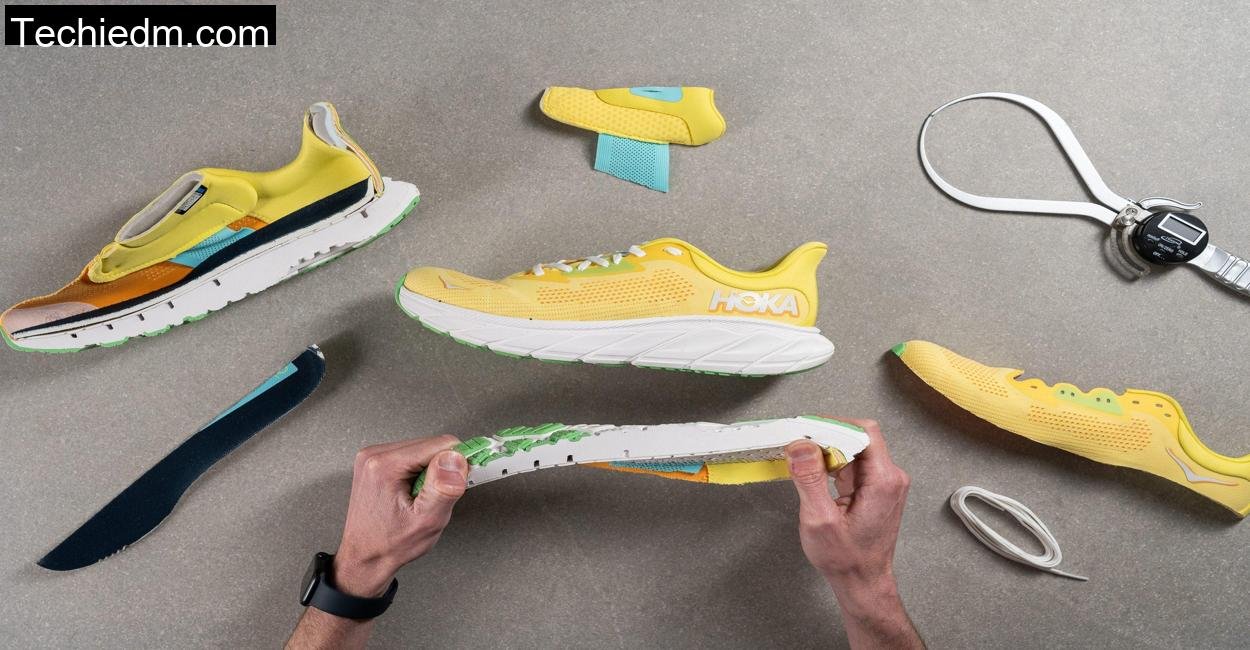
Despite being labeled as a road shoe, the Arahi 7 managed to hold its own across Spiti’s varied terrains. The J-Frame technology, a firmer foam shaped like a “J” running along the medial side and heel, provides subtle but effective stability. This tech replaced traditional medial posts, avoiding the blunt intrusiveness they often bring.
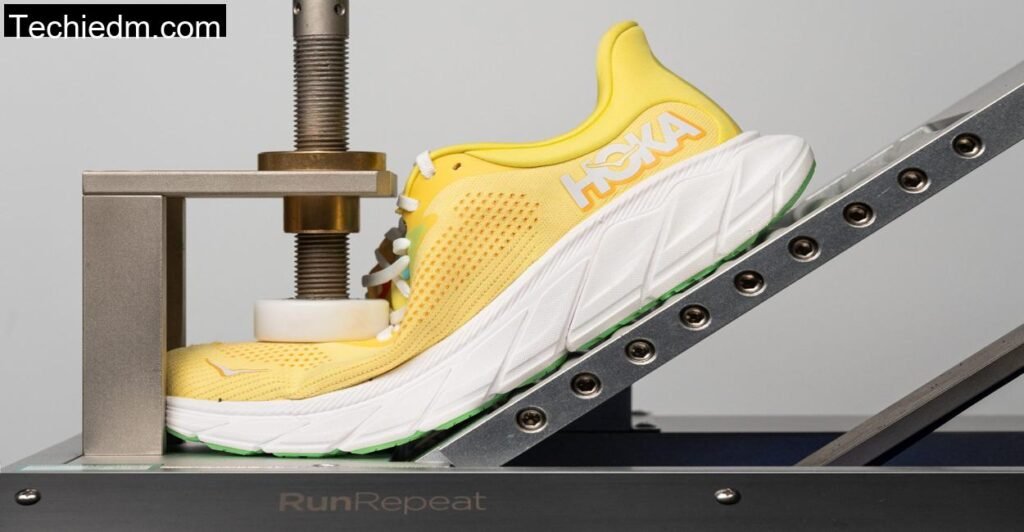
On the rocky trails of Langza and Kibber, the shoe held firm. Lateral movements were well supported, and the high sidewalls kept my feet centered even during aggressive descents. The torsional rigidity is high, rated 5 out of 5, which translates into excellent control but might feel too stiff for some.
The rocker design is subtle, almost unnoticeable, which aligns well with the shoe’s goal of stability rather than propulsion. That said, I didn’t feel much energy return. The CMEVA midsole is firm, almost dead-feeling during slower runs. This isn’t your bouncy, fun shoe. It’s a stable workhorse.
Cushioning and Ride Feel
One of the key specs many runners focus on is cushioning. In Spiti, where sharp rocks and uneven paths are the norm, you need something that cushions without compromising stability. The Arahi 7 strikes a delicate balance here.
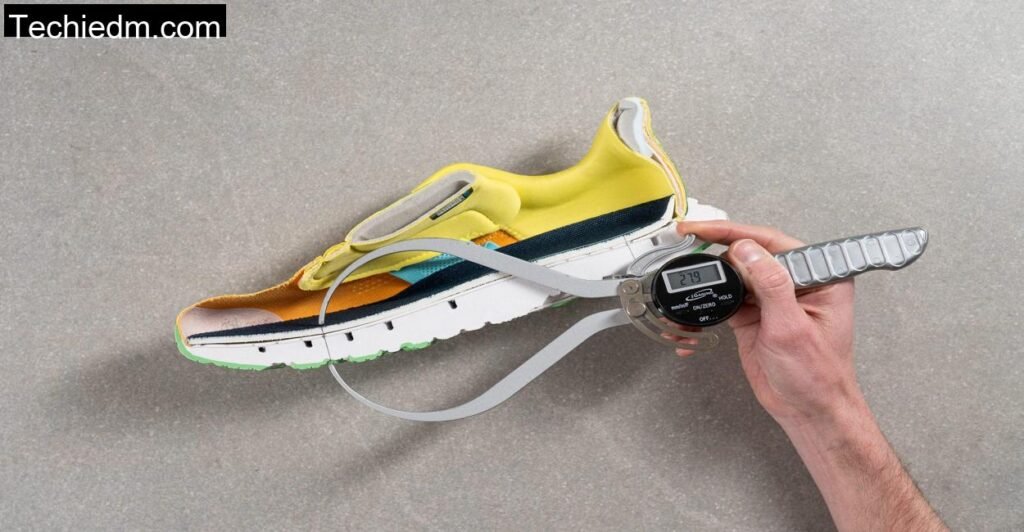
The heel stack is 34.2 mm, while the forefoot sits at 27.9 mm. This offers enough protection without making the shoe feel bulky. The 6.3 mm drop is ideal for midfoot strikers like me, but heel strikers will also find adequate support.
The midsole softness measured at 26.6 HA, indicating a firmer foam. While this helps in maintaining stability, it does mean that the shoe feels a bit flat on longer runs. If you’re looking for soft, pillowy cushioning, you may want to consider Hoka’s Clifton series instead.
Despite the firm ride, the Arahi 7 absorbs shock adequately, especially in the forefoot. During a grueling 18km trek from Kaza to Key Monastery, the forefoot foam impressed me by keeping fatigue at bay, even on hard-packed dirt trails.
Temperature and Breathability
Spiti Valley’s temperatures can swing drastically. Mornings were often below freezing, while midday sun made it feel deceptively warm. The Arahi 7’s knit upper manages to be both cozy and breathable, though not without limitations.
In our lab tests, the shoe scored 3 out of 5 on breathability. My experience aligned with this. While the upper felt comfortable and never led to overheating during the day, it struggled to ventilate moisture during longer efforts.
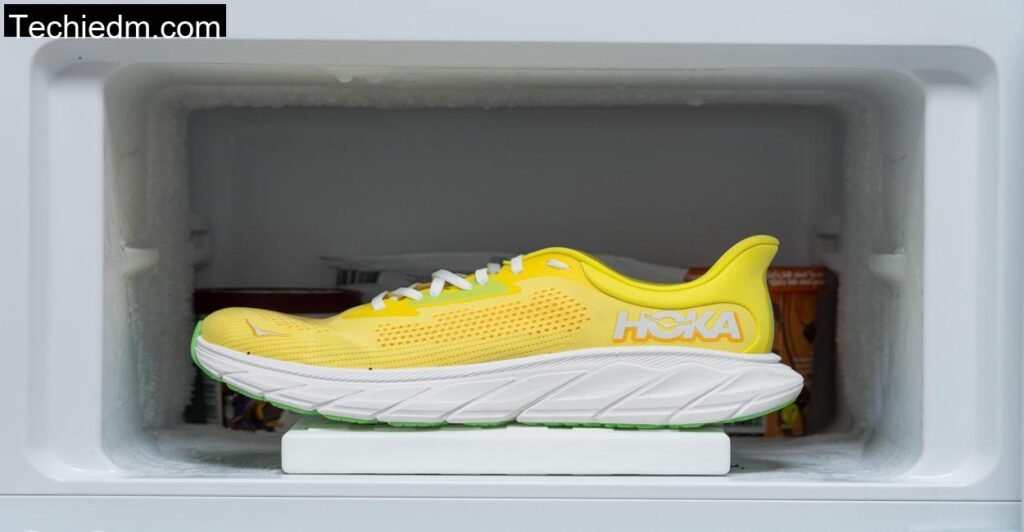
In freezing conditions, the midsole only hardened by 17%, which is impressive for an EVA-based foam. Many shoes become bricks in the cold, but the Arahi 7 maintained its ride feel, a big plus in high-altitude environments.
Traction and Grip
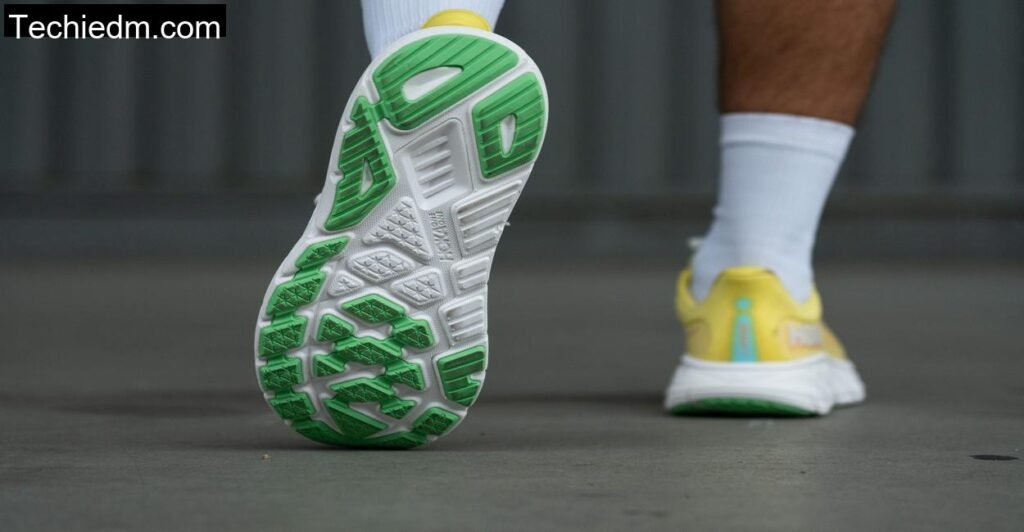
Here’s where the Arahi 7 stumbled a bit. The outsole grip is just average, with a traction score of 0.40 in wet conditions. On dry dirt trails and rocky paths, it performed well enough. But during an unexpected rainfall near Chandratal, the shoe slipped more than I’d like.
The rubber coverage is generous and strategically placed for stability, but it’s not designed for technical trails. If you’re running in consistently wet or loose terrain, consider a trail-specific shoe instead.

Durability: Built to Last
After over 100 km in Spiti, the Arahi 7 showed minimal signs of wear. I subjected this shoe to everything from sharp rocks to scree slopes and dusty village roads. The toebox and heel padding both scored a perfect 5 out of 5 in lab durability tests, and it shows.
The outsole, despite average grip, held up well. It lost only 0.9 mm of rubber after extensive use, a testament to its long-lasting design. The upper showed no tears or frays, and the knit material remained as snug and comfortable as day one.
Technical Specification
Data used here comes from Hoka’s official website to ensure reliability and accuracy.
| Feature | Hoka Arahi 7 |
|---|---|
| Weight | 266g / 9.4 oz |
| Drop | 6.3 mm |
| Heel Stack | 34.2 mm |
| Forefoot Stack | 27.9 mm |
| Midsole Softness | 26.6 HA (Firm) |
| Breathability Score | 3/5 |
| Toebox Width | 70.0 mm |
| Torsional Rigidity | 5/5 |
| Heel Counter Stiffness | 5/5 |
| Forefoot Width | 120.7 mm |
| Heel Width | 97.5 mm |
| Outsole Wear | 0.9 mm |
| Outsole Thickness | 3.5 mm |
| Insole Thickness | 5.3 mm |
| Rocker | Late-stage, subtle |
| Traction Score | 0.40 (Wet) |
| Reflective Elements | No |
| Removable Insole | Yes |
| Tongue Padding | 10.0 mm |
Conclusion
The Hoka Arahi 7 proved its mettle in one of the harshest terrains imaginable. While it will never be the most exciting shoe to run in, its comfort, support, and durability make it a solid pick for runners who need structure over sparkle. In Spiti Valley, where every step is a challenge, the Arahi 7 was a trusted companion that never let me down.
It might not be the best for everyone, but for the right runner, especially those dealing with overpronation or looking for a stable daily trainer, it’s a shoe that delivers, even when the altitude climbs and the roads disappear.
The Hoka Arahi 7 is an excellent choice for runners with mild to moderate overpronation, or for those who value stability during long daily miles. It’s not flashy, and it doesn’t offer a lively ride, but it’s reliable and durable. If you run on flat feet or have low arches, this shoe provides the structured support you need.
However, if you’re chasing speed or a dynamic toe-off, look elsewhere. The Arahi 7 is not built for tempo days or races. It’s also not ideal for wide-footed runners unless you can find the wide variant.