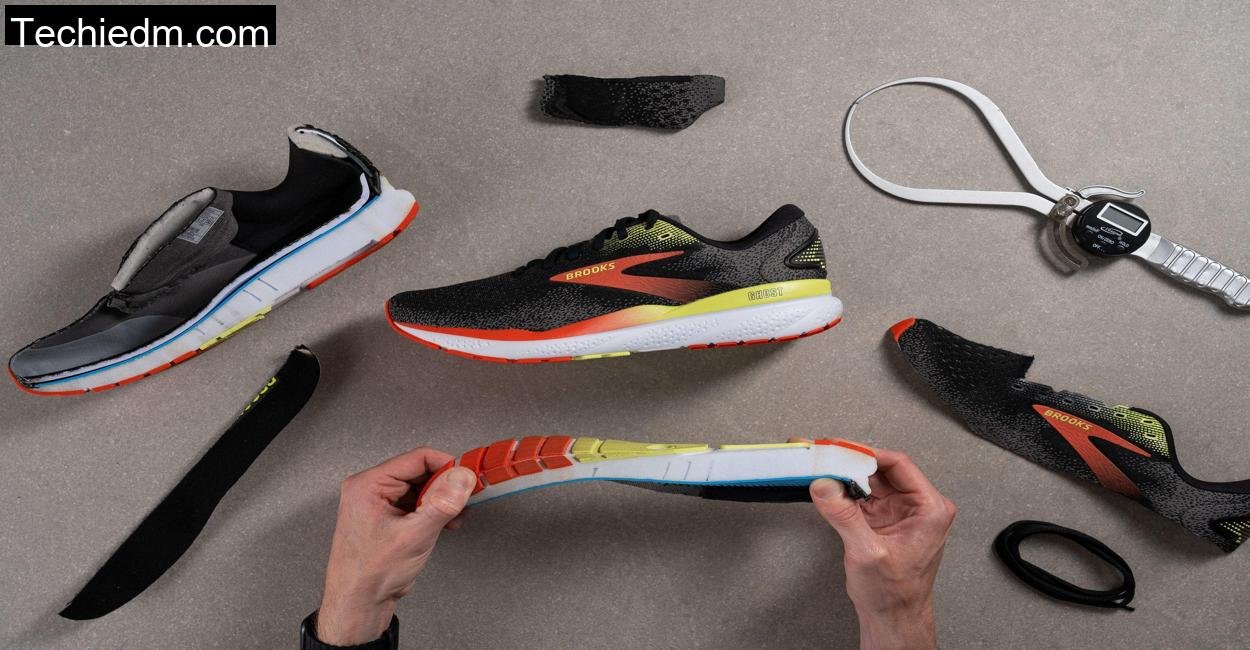
I’ve tested shoes on city roads, forest trails, and beachside boardwalks. But never before have I asked so much of a pair of running shoes as I did during my recent journey through the Nubra Valley, a remote, high-altitude desert nestled in the northern reaches of Ladakh, India. At over 10,000 feet above sea level, with terrain ranging from loose sand to rocky inclines and glacial streams, Nubra is a proving ground for both body and gear. And for this adventure, I brought along the Brooks Ghost 16.
The Ghost series has always stuck to what it does best, offering an incredibly reliable, neutral daily trainer that’s friendly to heel strikers and built to last. But how does it hold up when the pavement ends and the altitude rises? That’s exactly what I set out to find.
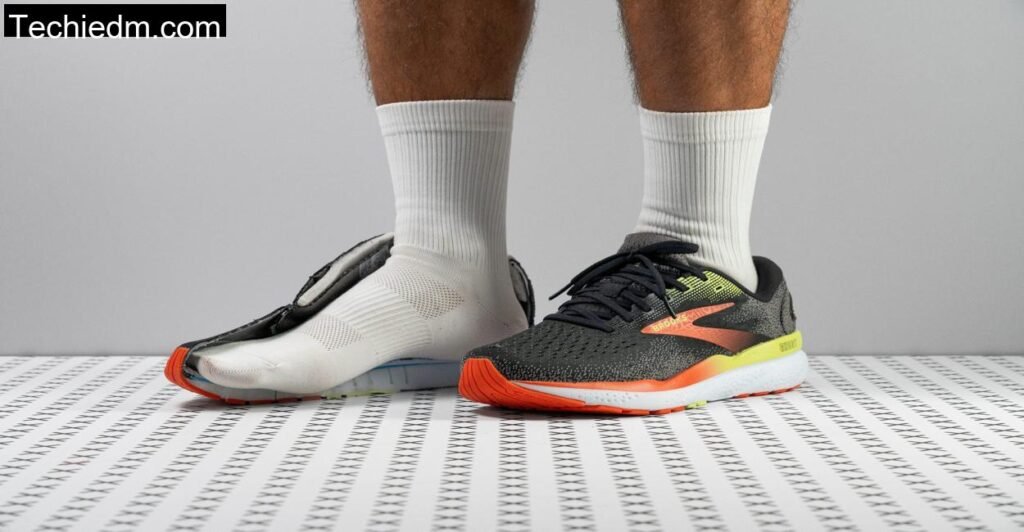
Setting the Scene: Nubra Valley, Ladakh
If you’ve never been to Nubra Valley, imagine the moon, but with sand dunes, grazing yaks, and the occasional monastery clinging to a cliffside. The elevation, dry air, and temperature swings make running here a physiological challenge, and the mixed terrain makes it a mechanical one too. I started my testing in Diskit, the valley’s largest village, and ran routes that took me through the white sand dunes of Hunder, over the Shyok River’s rocky banks, and up to the foot of the Turtuk glaciers.
My goal wasn’t just to see if the Brooks Ghost 16 could survive this journey, it was to see whether it could thrive in it.
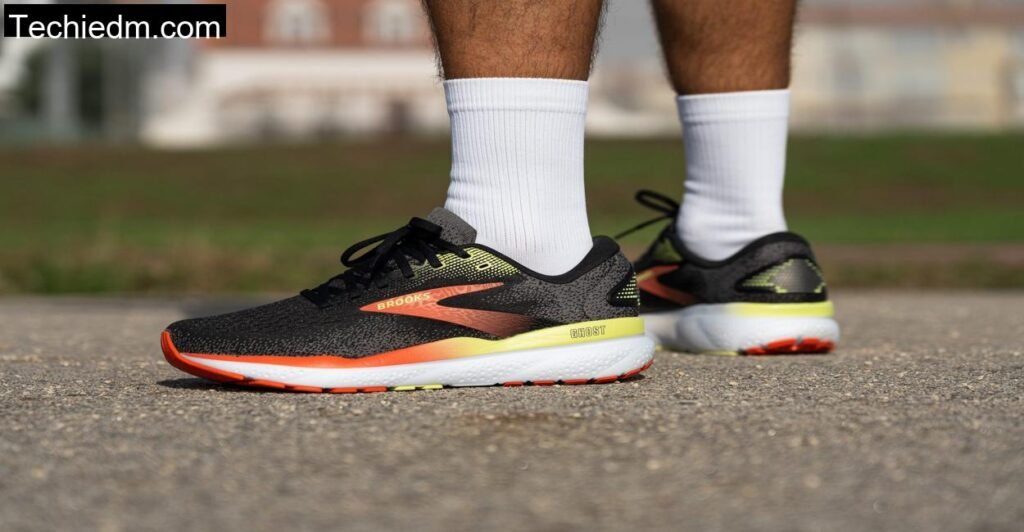
First Impressions: Comfort Right Out of the Box
Before I even reached Ladakh, the Ghost 16 made a strong case for itself during my acclimatization runs in Leh. Out of the box, the shoe felt plush but not marshmallowy. The engineered mesh upper was immediately breathable, which I appreciated under the blazing high-altitude sun, and the step-in comfort was among the best I’ve experienced in a daily trainer.
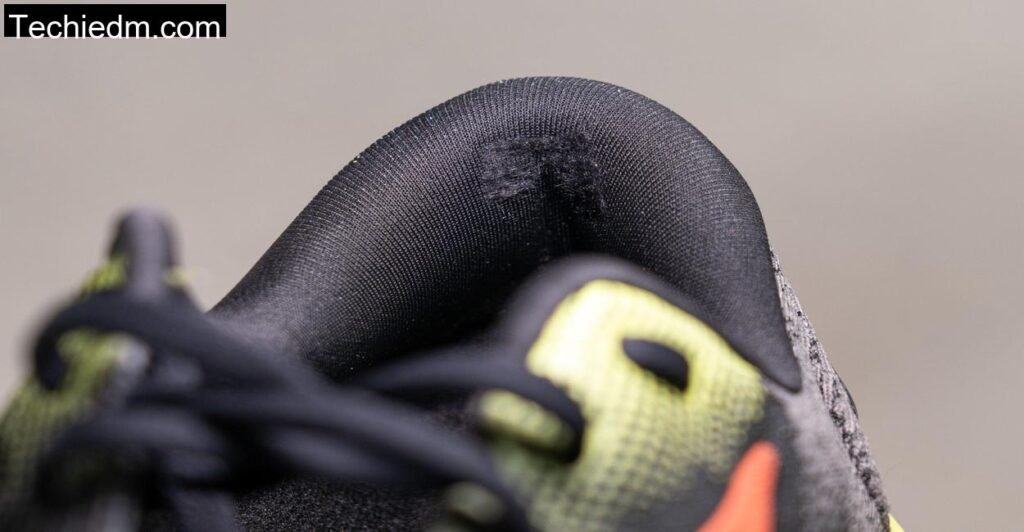
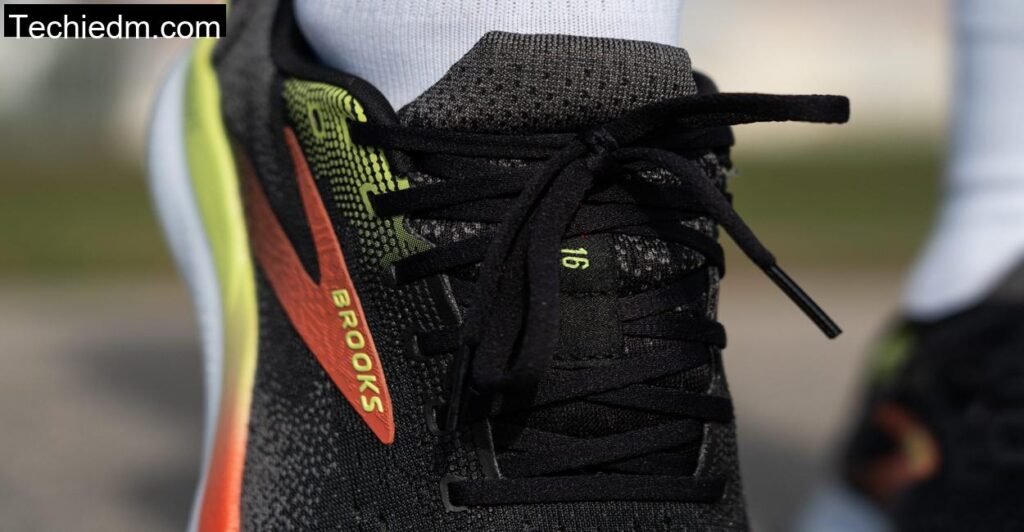
The tongue, while not gusseted, offered generous padding (10.4 mm, to be exact), and the heel collar provided a snug yet cushioned lockdown. It’s worth noting that the shoe doesn’t have a heel pull tab, a minor annoyance when trying to slip them on at 5 a.m. in a dark tent.
Performance on the Trail: Cushioning and Stability
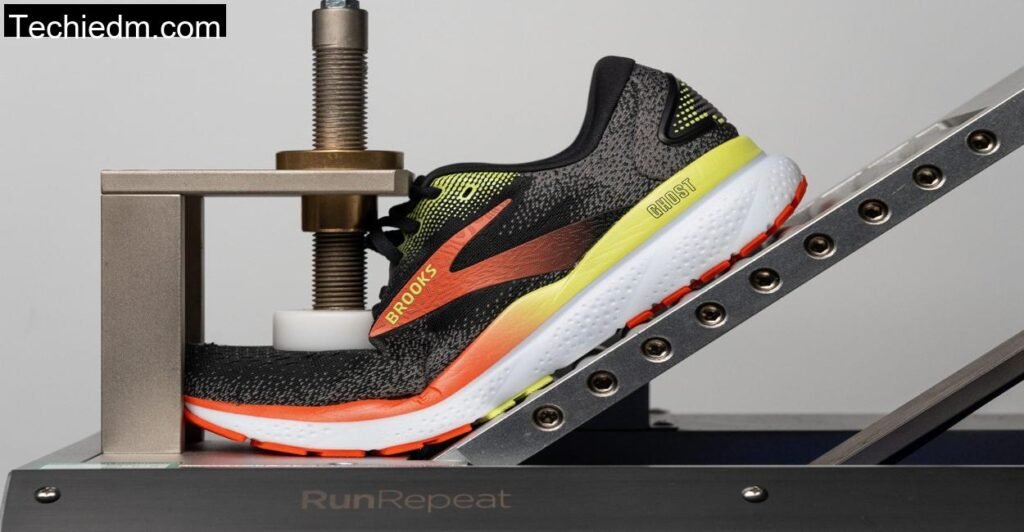
Once I hit the trails around Diskit Monastery, the true test began. The Ghost 16 uses Brooks’ DNA Loft v3 midsole foam, a nitrogen-injected compound that promises improved energy return and lighter weight compared to its predecessor. I was skeptical about whether a shoe built for roads could handle rocky, uneven paths, but the Ghost 16 surprised me.
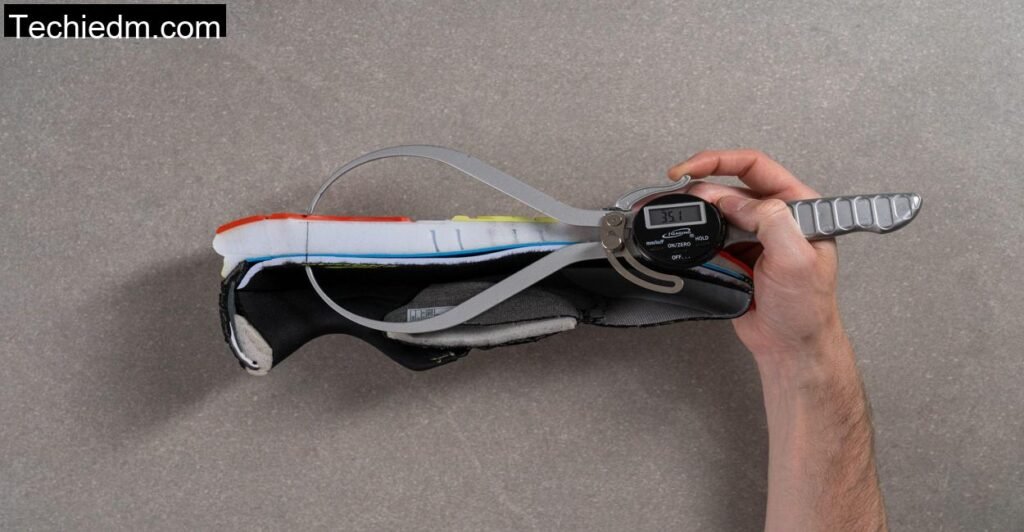
The moderate torsional rigidity and wide heel base (94.7 mm) offered just enough lateral support for light pronation on uneven terrain. I wouldn’t call it a trail shoe, but for mixed-surface running, it held its own. The heel cushioning felt luxurious thanks to a 35.1 mm stack, and the forefoot stack of 22.7 mm maintained a decent ground feel. This setup favors heel strikers, and that’s exactly what I needed when descending loose gravel paths or landing awkwardly on cobbled monastery steps.
Technical Specifications
All facts and figures are taken from Brooks’s official website to guarantee accuracy and reliability.
| Specification | Value |
|---|---|
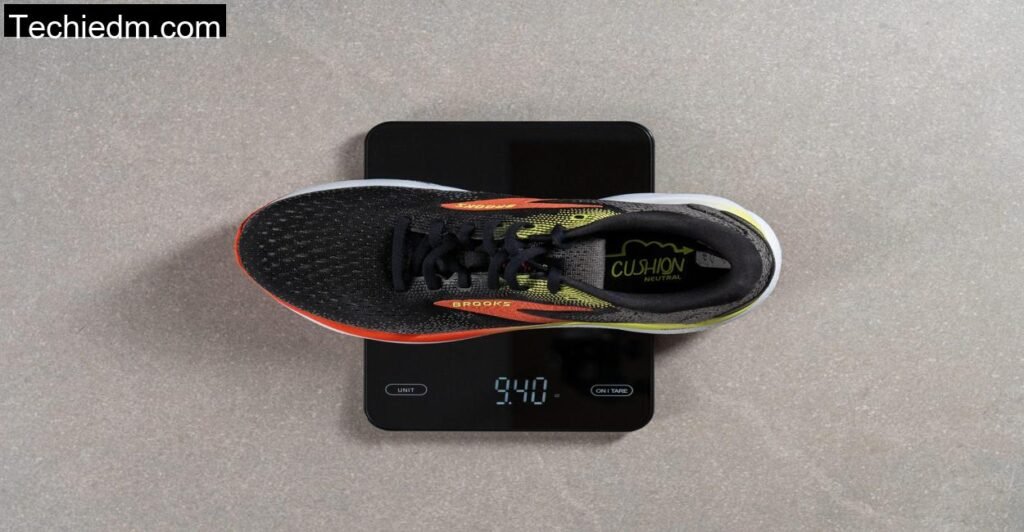
| Weight | 266g (9.4 oz) |
| Heel Stack Height | 35.1 mm |
| Forefoot Stack Height | 22.7 mm |
| Drop | 12.4 mm |
| Midsole Foam | DNA Loft v3 |
| Midsole Softness | 21.6 HA |
| Torsional Rigidity | 3/5 |
| Heel Counter Stiffness | 5/5 |
| Breathability | 4/5 |
| Outsole Thickness | 4.1 mm |
| Flexibility (30° Bend) | 9.6N |
| Traction (Forefoot Grip) | 0.48 |
| Reflective Elements | Yes |
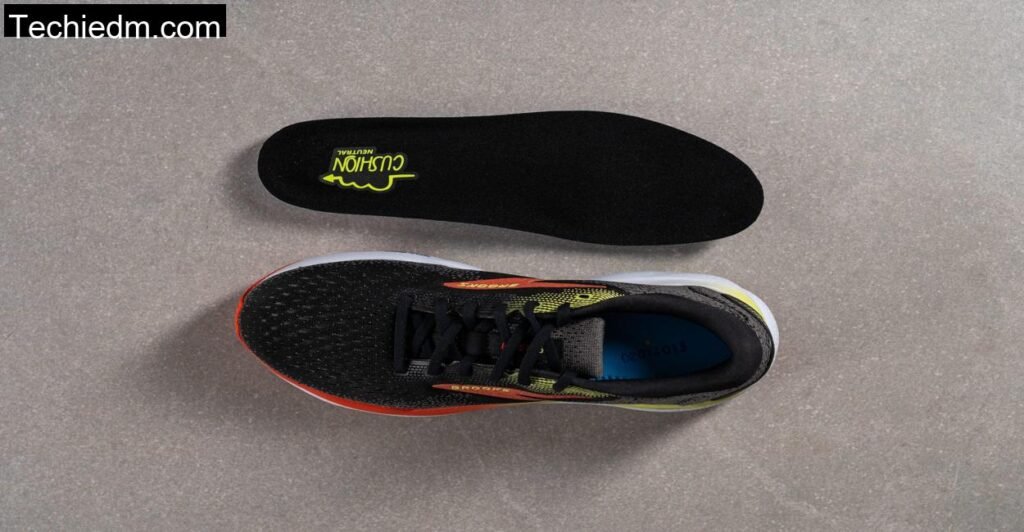
| Insole Thickness | 5.0 mm |
| Removable Insole | Yes |
Traction and Grip: Surprisingly Capable
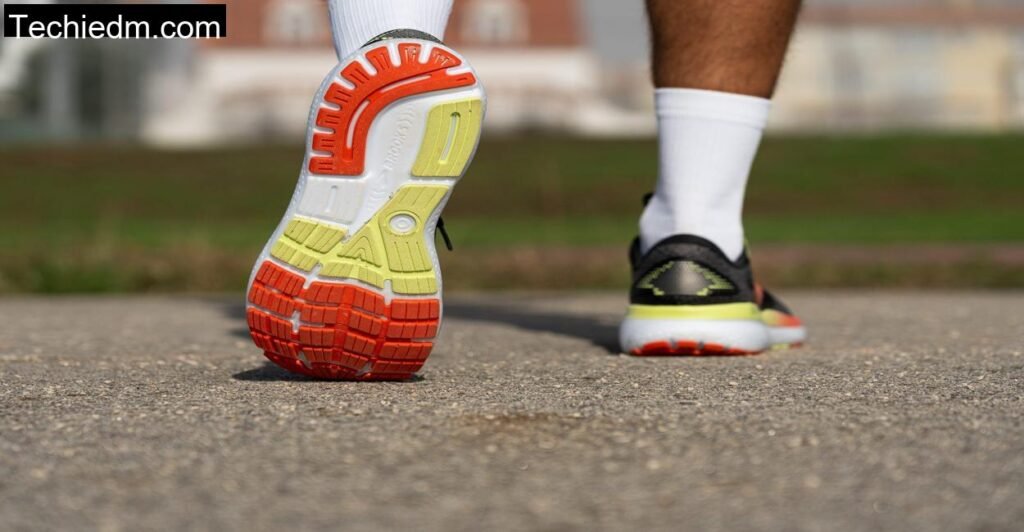
The Ghost 16’s outsole features what Brooks calls a Segmented Crash Pad, a design that’s intended to smooth transitions from landing to toe-off. On the paved roads of Hunder, it performed as expected: smooth, predictable, and grippy. But once I transitioned to the sand and loose rock of the dunes, the grip held up better than anticipated.
The SATRA lab-tested forefoot traction score of 0.48 translates well into real-world performance. I never experienced any slippage, even when running on the dew-covered stones by the Shyok River at dawn. The deep flex grooves also helped the shoe conform to uneven surfaces, making it feel more agile than its weight might suggest.
Durability in Harsh Conditions
I always worry about mesh uppers in abrasive environments, but the Ghost 16’s upper held its own. After trudging through sand, brushing against rocks, and a few unplanned scrambles up steep monastery paths, there were no visible tears or signs of wear.
The toebox durability scored a 3/5 in lab Dremel tests but exceeded my expectations in the field. The heel padding, which scored a 4/5, remained plush and supportive, even after multiple 10K runs over three days. The outsole rubber, with its 4.1 mm thickness and minimal wear (only 0.7 mm indentation in lab tests), is clearly built for longevity.
Breathability and Temperature Management
Ladakh might be a cold desert, but during the day, temperatures can soar to nearly 30°C under direct sun. The engineered mesh upper of the Ghost 16 provided ample ventilation during these times. Brooks seems to have struck a nice balance here: the toebox is perforated enough to allow for airflow, while the side panels remain slightly thicker, offering structure and mild stability.
During early morning runs when temperatures dipped below freezing, the DNA Loft v3 midsole showed its resilience. It only became 16% firmer in cold conditions, which is a significant improvement over the previous model’s 54.4%. That performance translated into consistent cushioning and responsiveness, regardless of the time of day.
Fit and Comfort on Long Runs
The Ghost 16 fits true to size and offers a medium width that should accommodate most runners. I wore a standard D-width model and found the 96.1 mm forefoot width just roomy enough without feeling sloppy. The 72.1 mm toebox width is slightly below average, and might feel snug for those with wider feet, but the toebox height of 26.8 mm gave enough vertical space to prevent discomfort during descents.
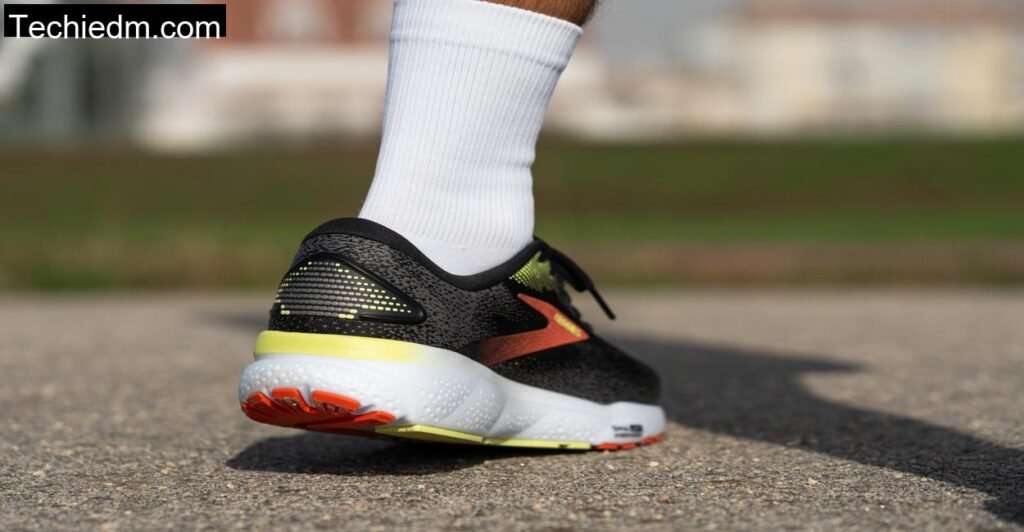
The heel counter, rated a 5/5 in stiffness, combined with the padded collar, kept my foot locked in without irritation. Even after back-to-back runs totaling over 50 kilometers across three days, I experienced no hotspots or blisters, a true testament to the shoe’s comfort-focused design.
Where It Falls Short
No shoe is perfect, and the Ghost 16 does have its limitations. The lack of a gusseted tongue means the tongue can shift slightly during high-impact activities, though this was minor. The shoe’s 12.4 mm drop, while great for heel strikers, might not suit forefoot or midfoot runners seeking a more natural ride.
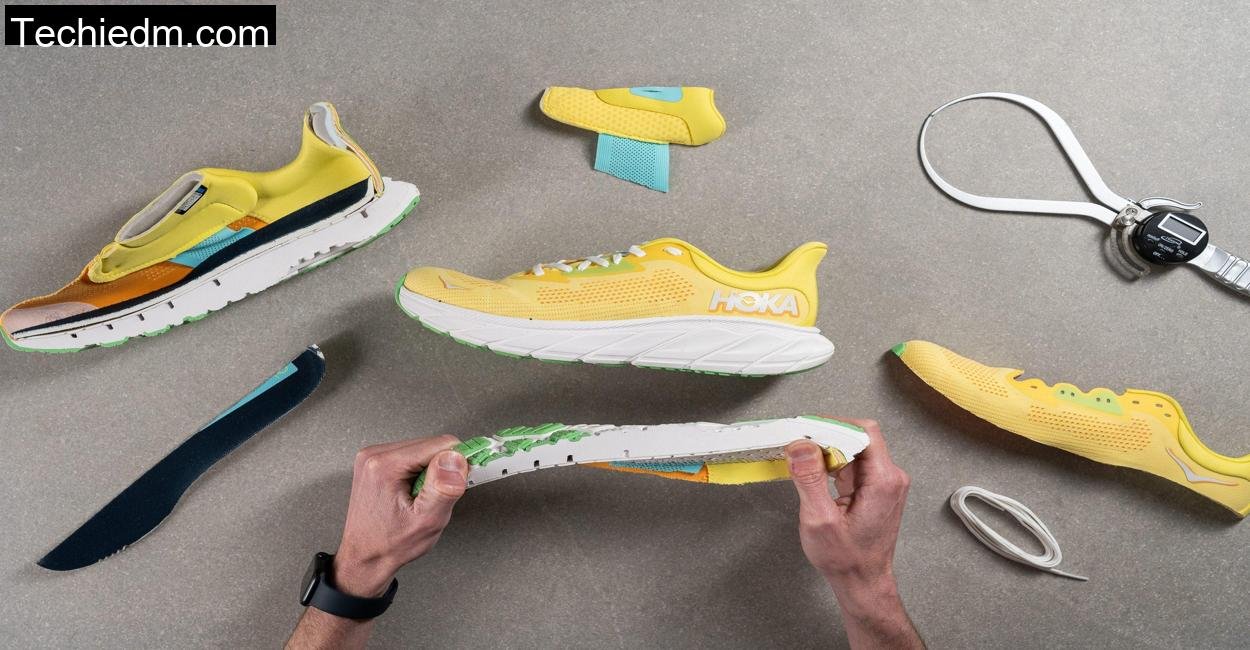
And while the DNA Loft v3 foam is an improvement, it still doesn’t deliver the spring-loaded energy return you’d find in something like the ASICS Novablast 4 or Hoka Mach 6. It’s more of a consistent, cushioned platform than a bouncy one.
A Daily Trainer That Overachieves
After nearly a week of testing the Brooks Ghost 16 in one of India’s most extreme running environments, I can confidently say this shoe earns its stripes. It’s not designed for mountains or trails, yet it held its own on rocky paths, sandy dunes, and high-altitude roads. That speaks volumes about its versatility and thoughtful design.
For runners who value reliability, comfort, and durability, the Ghost 16 remains a top-tier choice. It’s especially ideal for heel strikers and those looking for a dependable shoe for daily runs, long walks, or even travel.
Would I take it back to Nubra? Absolutely. And that’s the highest praise I can offer.
Conclusion
The Brooks Ghost 16 isn’t flashy. It doesn’t rely on carbon plates or revolutionary tech. But what it does offer is a no-nonsense, incredibly well-rounded running experience. Whether you’re pounding pavement in your neighborhood or exploring remote high-altitude valleys like Nubra, this shoe delivers where it counts.
With a price tag of ₹15,460, it’s an investment, but one that pays off in long-term comfort and performance. If you’re looking for a daily trainer that can go the extra mile, literally and metaphorically, the Ghost 16 is a ghost worth chasing.