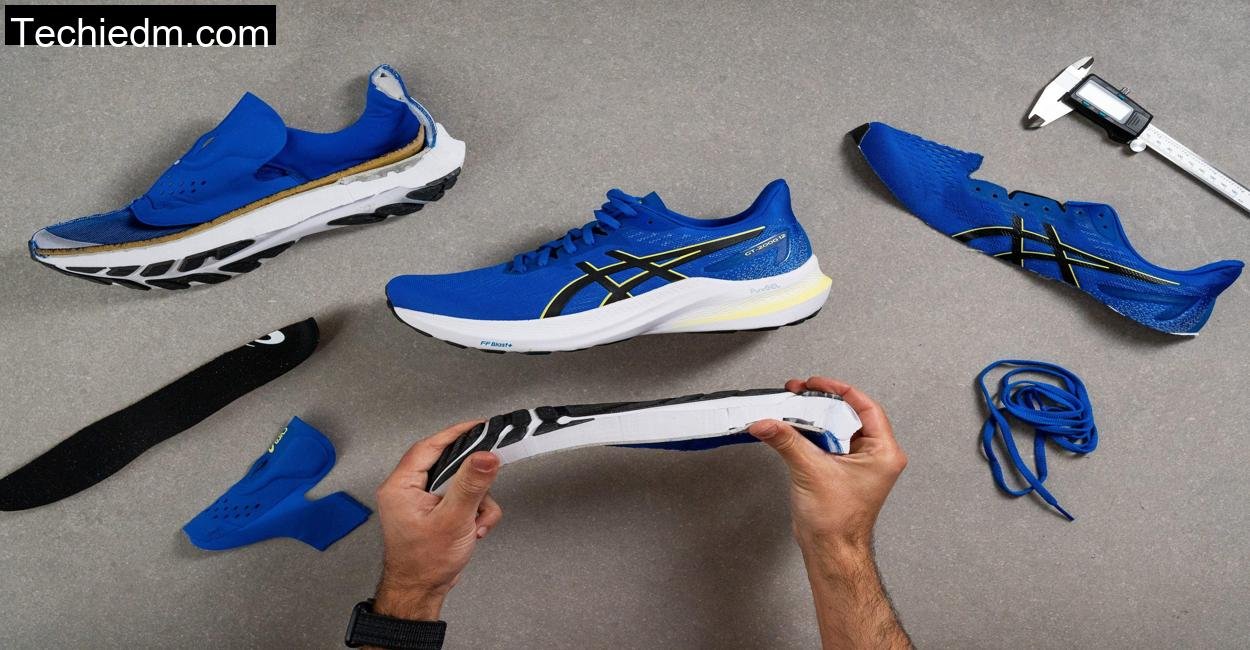
There are shoe reviews, and then there are shoe experiences. When I laced up the ASICS GT 2000 12 for its first trial run, I knew I needed more than the average asphalt loop to truly understand what this shoe brings to the table. That’s why I chose the Rann of Kutch, a vast, white desert landscape in Gujarat, India, known for its salt flats, extreme temperatures, and surreal beauty. It’s a place where stability isn’t just helpful, it’s essential.
The Rann is a test of endurance and adaptability, and so is any good running shoe. Over several days, I took the GT 2000 12 through early morning jogs in soft salt-laden soil, midday strides under a punishing sun, and evening walks across cracked, baked earth. The goal? To see whether ASICS’s latest stability trainer could hold its own in one of the most unique terrains on Earth.
First Impressions: A Lighter, Sleeker GT 2000
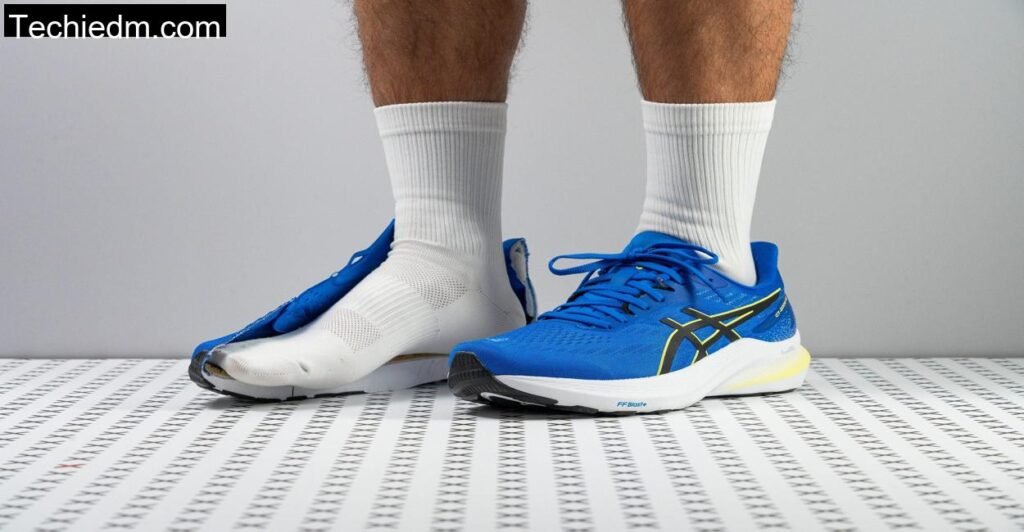
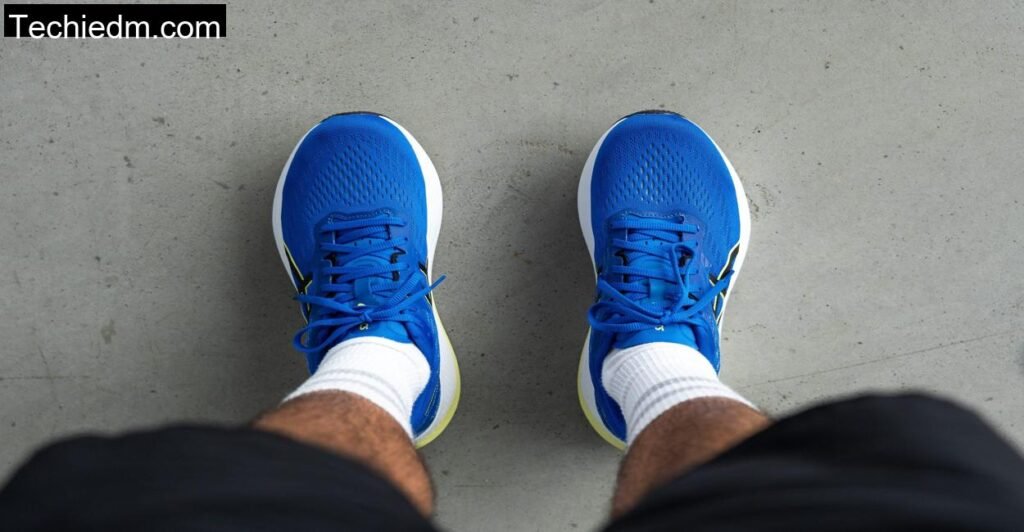
Straight out of the box, the ASICS GT 2000 12 exudes quality. The updated jacquard mesh upper feels premium and breathable, though I had my doubts about how well it would ventilate in 45°C heat. The colorway I tested, a subdued graphite with neon accents, stood out against the stark white of the salt flats, giving the shoe an understated but athletic look.
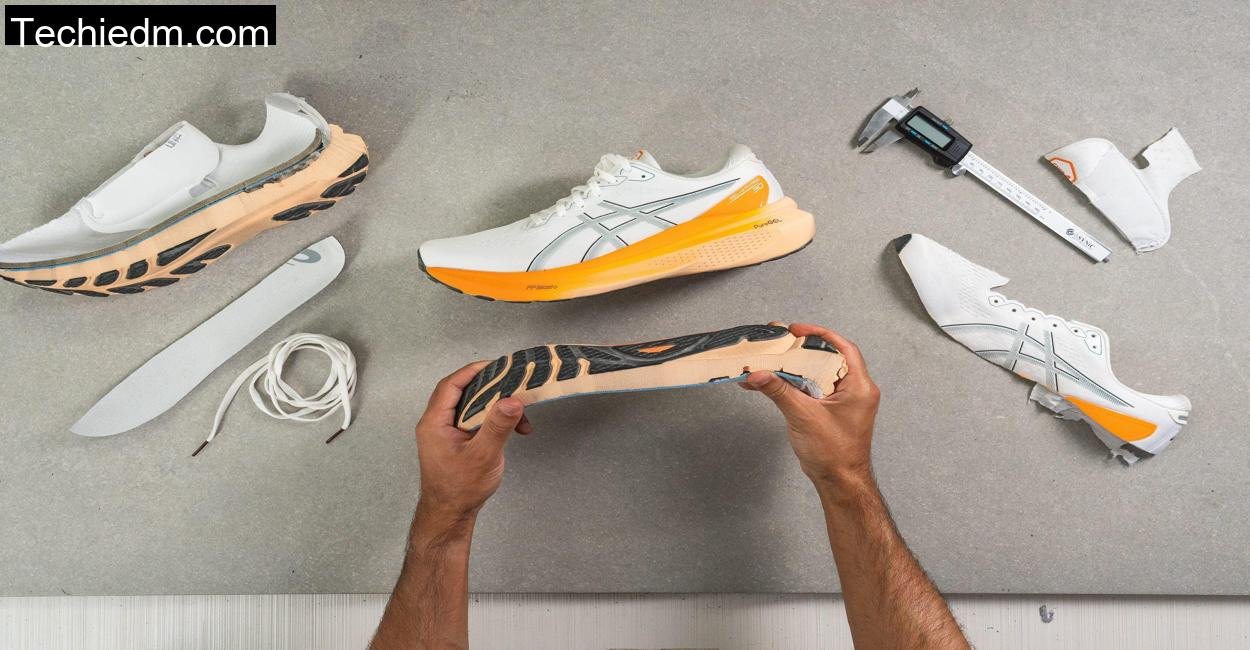
What struck me most was the weight. At 9.7 oz (275g), this is the lightest GT 2000 to date. ASICS has managed to shave off some grams without compromising on support. The tongue is now thinner at 4.7 mm, down from 12.5 mm in version 11, and the heel collar has a more sculpted, streamlined shape. The semi-gusseted tongue ensures a secure fit without the bulk.
Technical Specification
Information in this section is based on ASICS’s official website for reliable and accurate reporting.
| Feature | ASICS GT 2000 12 |
|---|---|
| Weight (Men’s US 9) | 9.7 oz / 275g |
| Drop | 10 mm |
| Heel Stack Height | 36.6 mm |
| Forefoot Stack Height | 26.6 mm |
| Midsole | FF Blast+ + PureGEL |
| Outsole | AHARPLUS + AHAR LO-HRD |
| Upper | Engineered jacquard mesh |
| Breathability Score (Lab) | 3/5 |
| Torsional Rigidity | 4/5 |
| Heel Counter Stiffness | 4/5 |
| Insole Thickness | 5.2 mm |
| Outsole Thickness | 4.2 mm |
| Flexibility (30° bend test) | 16.1N |
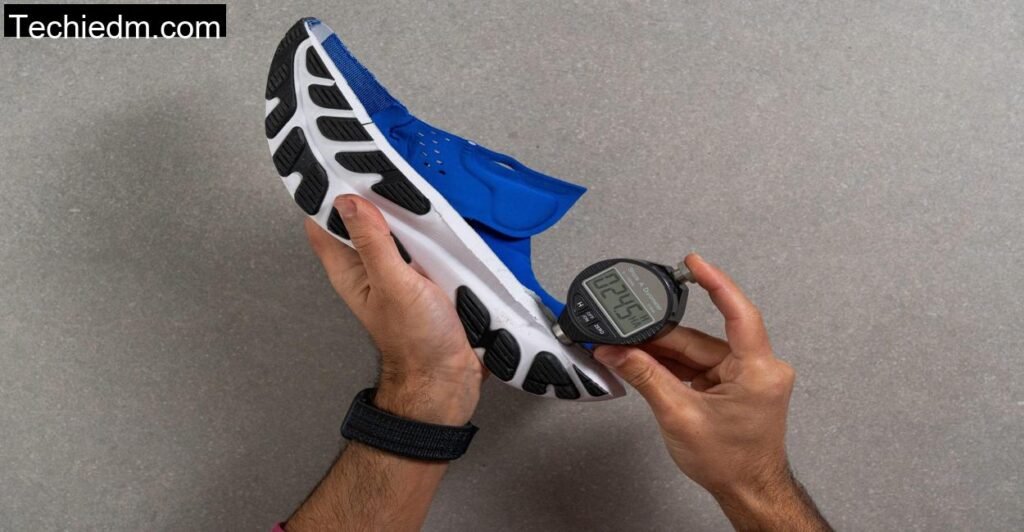
| Midsole Softness | 25.1 HA |
| Orthotic Friendly | Yes |
| Removable Insole | Yes |
| Reflective Elements | Yes |
The Terrain Test: Running on Salt
Running on the Rann is like running on the moon, if the moon were 40°C and made of blistering salt. The terrain varies from soft powdery salt that gives underfoot to hardened crusts that threaten to slice through cheap rubber. Here, the GT 2000 12 felt surprisingly agile.
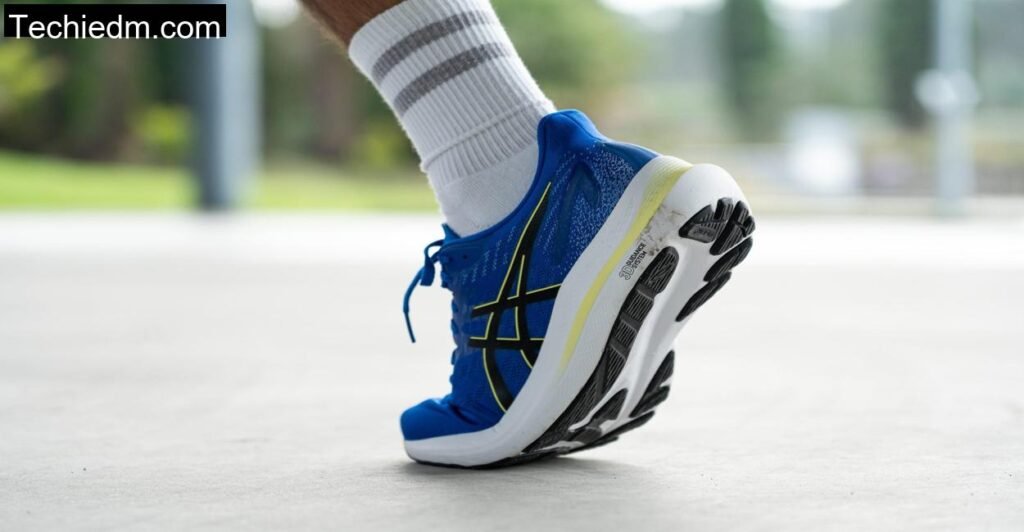
The FF Blast+ foam in the midsole, while not as plush as in other ASICS models like the Nimbus 25, offered a balanced ride with enough responsiveness to keep my stride consistent. I’m a heel striker, and the PureGEL insert in the heel was a blessing. It absorbed the shock from the uneven terrain better than I anticipated.
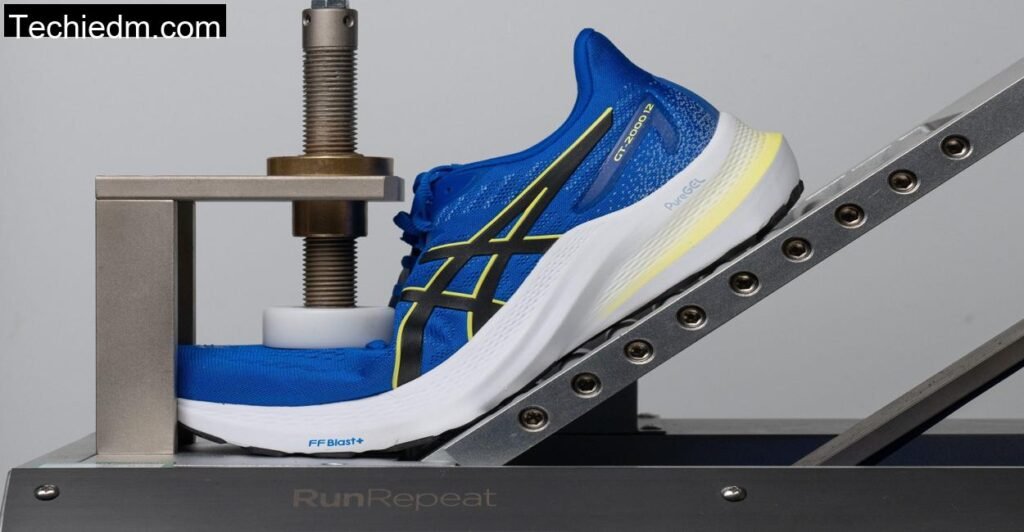
Despite the moderate breathability rating of 3/5, the shoe never felt like an oven. The salt-encrusted air of the Rann is dry and unforgiving, and any trapped heat usually becomes unbearable. But I wore these for over two hours at a stretch and didn’t feel the need to tear them off afterwards.
Stability Reimagined: 3D Guidance System
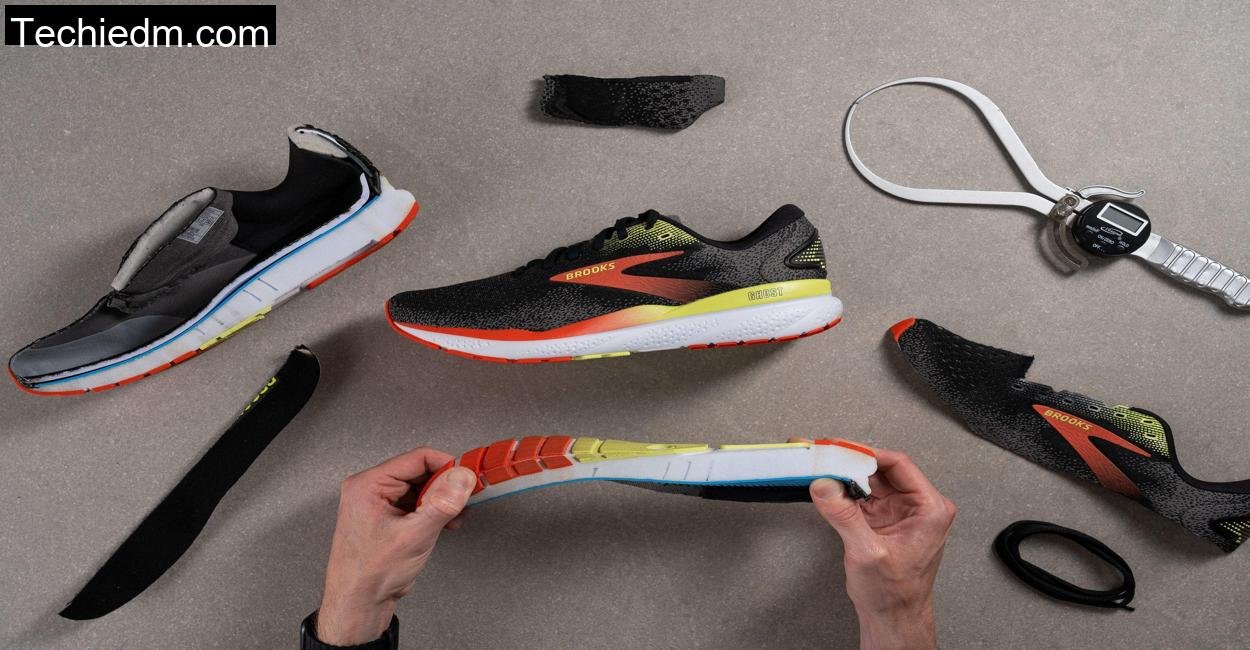
The GT 2000 12’s most defining feature is its 3D Guidance System, a triad of geometry, midsole design, and upper support. On flat roads, this system might feel subtle or even redundant. But in the unstable, shifting salt beds of the Rann, it shone.
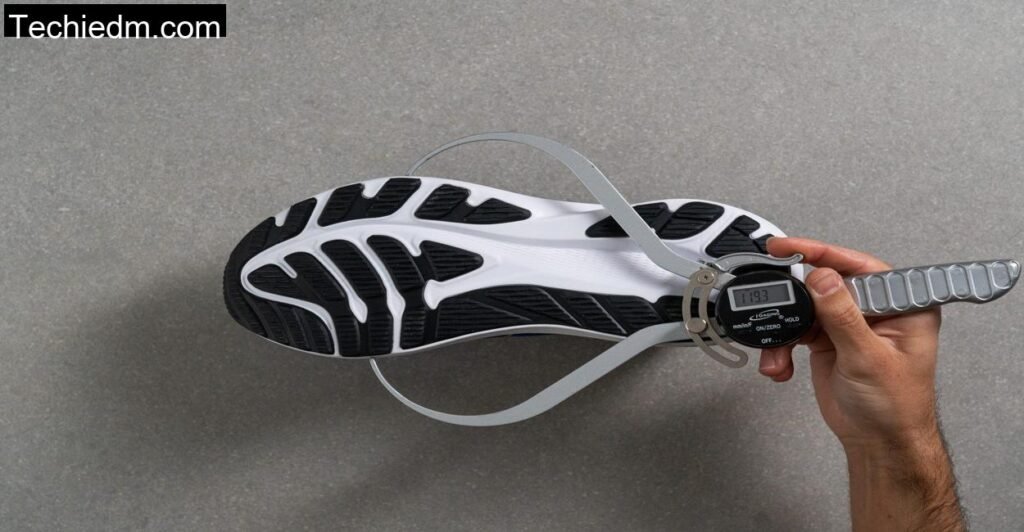
The wider base, 119.3 mm in the forefoot and 96.3 mm in the heel, translates to a stable platform that made me feel confident even when the ground was uneven. Torsional rigidity and heel counter stiffness both scored 4 out of 5 in lab tests, and I could feel that in every step. The shoe almost anticipated lateral shifts and gently corrected them before they could become a problem.
This isn’t the kind of overbearing stability that forces your foot into unnatural positions. Rather, it’s a guiding hand, hence the name, that keeps you aligned without being intrusive.
Durability in the Desert
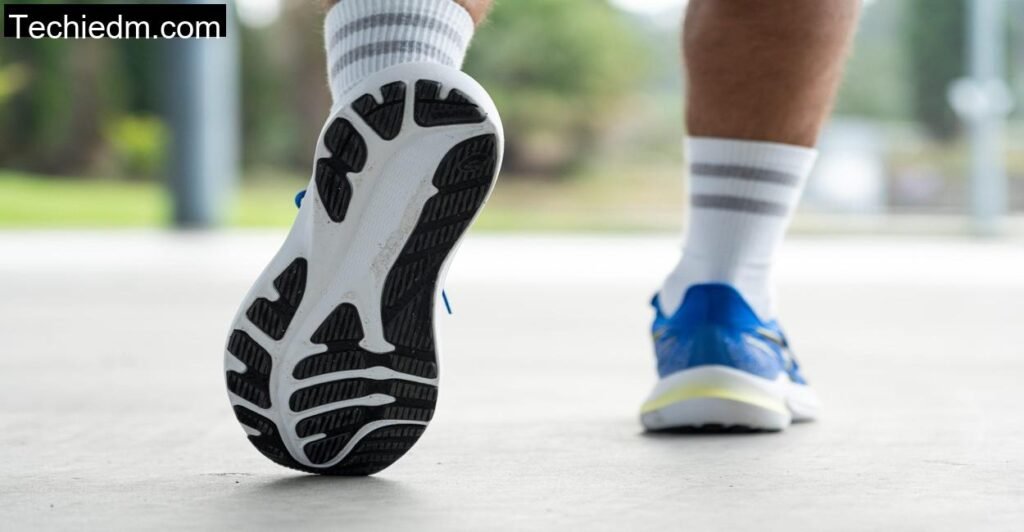
The Rann destroys poor-quality gear. The salt gets into every seam, and the heat breaks down glue and foam. But the GT 2000 12 held its own. After a week of daily abuse, the outsole, made of AHARPLUS and AHAR LO-HRD, showed only minimal wear. Lab tests back this up, with just 0.4 mm of rubber loss in high-friction zones.
The toebox’s jacquard mesh, reinforced by a dense fabric underneath, resisted tearing and fraying. I even subjected the shoes to a sandstorm one night, and while they looked like they’d been through a war, a quick rinse and dry brought them back to life.
The heel padding, another potential weak point, scored 4/5 in durability tests and matched that in real-world performance. Even after the salt had caked the collar, it retained its shape and comfort.
Cushioning & Energy Return: A Balanced Ride
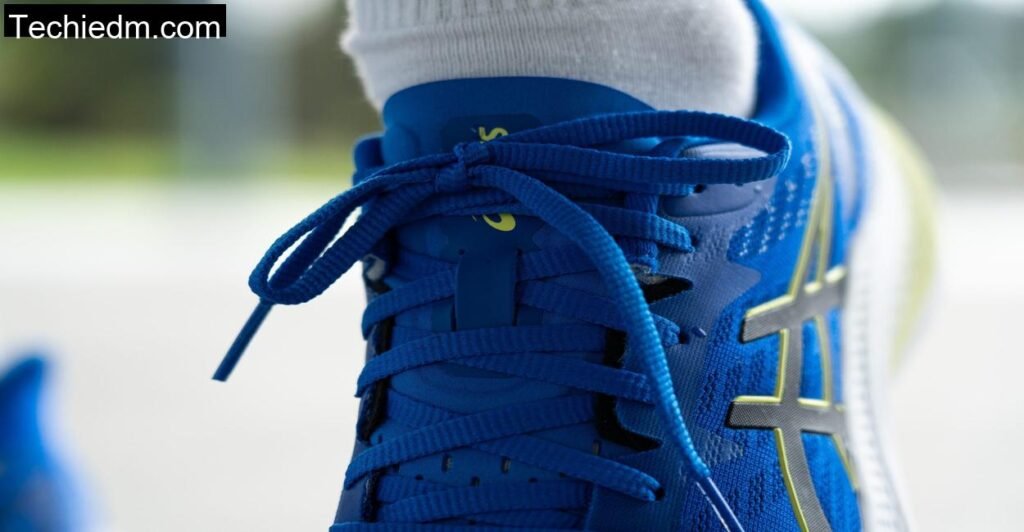
Let’s talk cushion. The FF Blast+ midsole is firmer than in other ASICS models. Lab tests measured it at 25.1 HA, which is on the balanced-to-firm side. It’s not a cloud ride, and that’s a good thing here.
On the Rann’s unpredictable surface, a super-soft foam would have made me feel unstable. Instead, the GT 2000 12 offered just enough cushion to protect my joints without compromising ground feel.
Energy return, however, isn’t this shoe’s strong suit. With a bounce rating of 47.9%, it lags behind top-tier trainers in propulsion. But that’s not its mission. This is a distance shoe, a grinder, a reliable workhorse, not a race-day rocket.
Fit & Comfort: True-to-Size with Room to Breathe
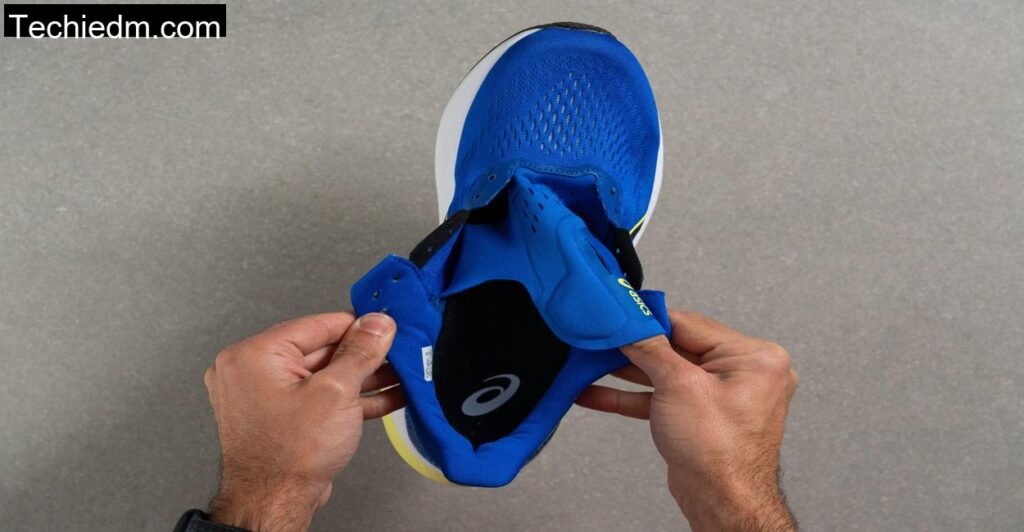
ASICS nailed the fit with this version. The GT 2000 12 fits true to size, with a toebox width of 78.9 mm and the widest part of the forefoot measuring 99.8 mm. That little extra wiggle room was a blessing in the heat, when my feet inevitably swelled.
The Ortholite X-30 insole adds a plush underfoot feel, and the semi-gusseted tongue ensures the shoe hugs your foot without constriction. I never had to stop to readjust, even after hours of walking over cracked terrain.
Breathability vs. Protection: A Trade-off That Works
The breathability score of 3/5 initially worried me. But the Rann proved that numbers don’t tell the whole story. The dual-layer upper, mesh on top, dense fabric underneath, limits airflow but provides excellent protection against sand and salt.
In lab tests, the smoke test showed moderate airflow, and under a microscope, you can see how the inner layer filters air. This duality made the shoe versatile: warm enough for early morning chills and breathable enough for mid-day heat.
Verdict: Built for Real-World Toughness
After clocking nearly 80 kilometers over six days in the Rann of Kutch, I can confidently say the ASICS GT 2000 12 is one of the most well-rounded stability shoes I’ve ever tested. It’s not flashy. It’s not trendy. But it performs where it counts.
In a world of maximalist foams and carbon plates, the GT 2000 12 is a reminder that consistent, thoughtful engineering still matters. With its FF Blast+ cushioning, PureGEL heel, and 3D Guidance System, it delivers a reliable, stable, and comfortable ride, even in one of the most extreme environments on the planet.
If you’re a runner who values durability, support, and real-world versatility, the GT 2000 12 is worth every rupee. And if it can survive the Rann of Kutch, it can survive just about anywhere.
Final Thoughts
If you’re an overpronator or a neutral runner looking for added stability, the GT 2000 12 is an ideal daily trainer. It’s especially suited for long-distance runners who prioritize comfort and support over energy return. It’s also a great option for walkers, casual joggers, and anyone dealing with plantar fasciitis or shin splints.
However, if you’re chasing PRs or looking for a super-cushioned ride, you might want to look at the ASICS Superblast or the Nimbus 25. But for everything else, from daily miles to desert adventures, the GT 2000 12 is a dependable companion.
Stay grounded, stay running.