When you think of testing a high-performance cross-training shoe, you probably imagine a polished gym floor, a CrossFit box, or maybe a rugged urban park. But I had something more extreme in mind. I packed my gear and headed into the heart of the Cholistan Desert in Punjab, Pakistan, a barren, sun-scorched wilderness stretching over 16,000 square kilometers. This land is known for its unforgiving heat, loose sand, and rough terrain. If the Nike Metcon 9 could survive here, it could survive anywhere.
First Impressions: Design and Aesthetics
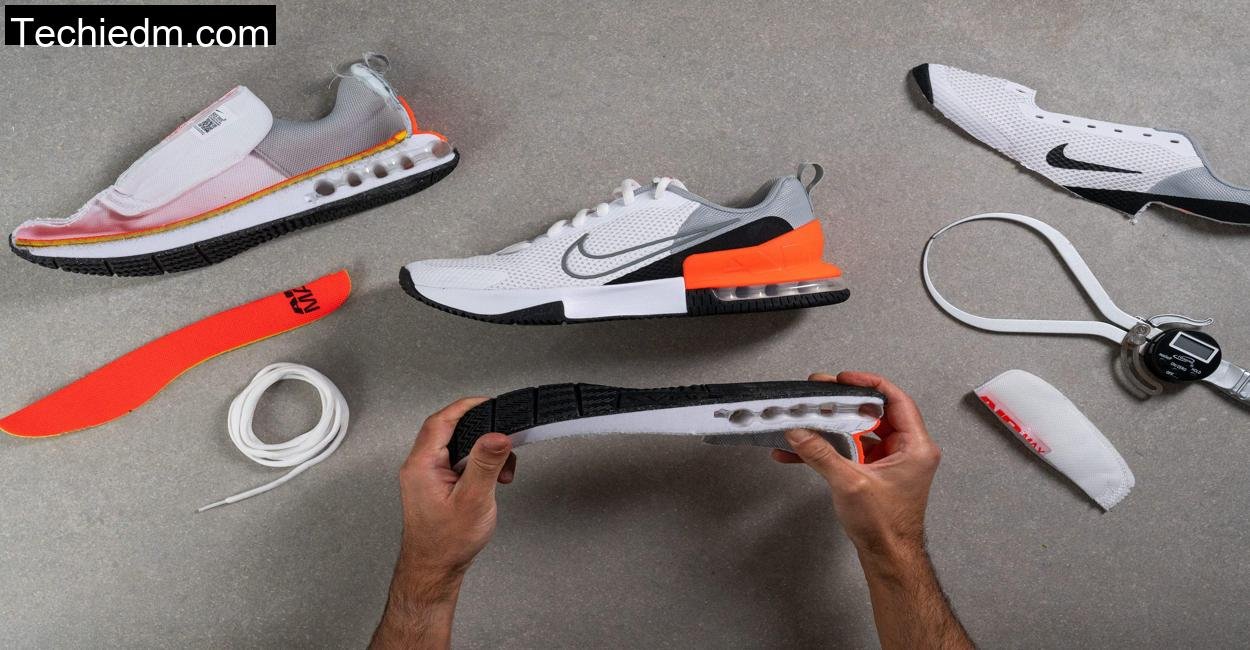
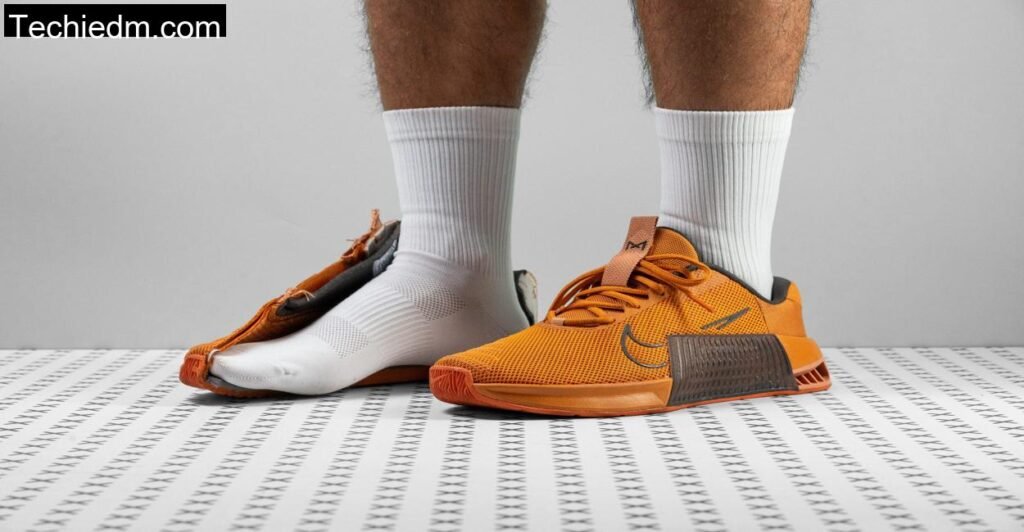
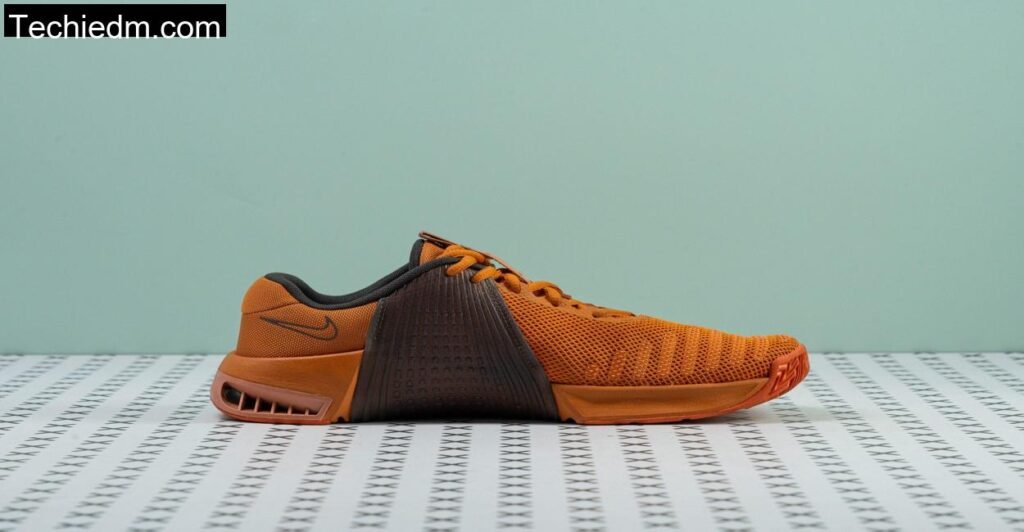
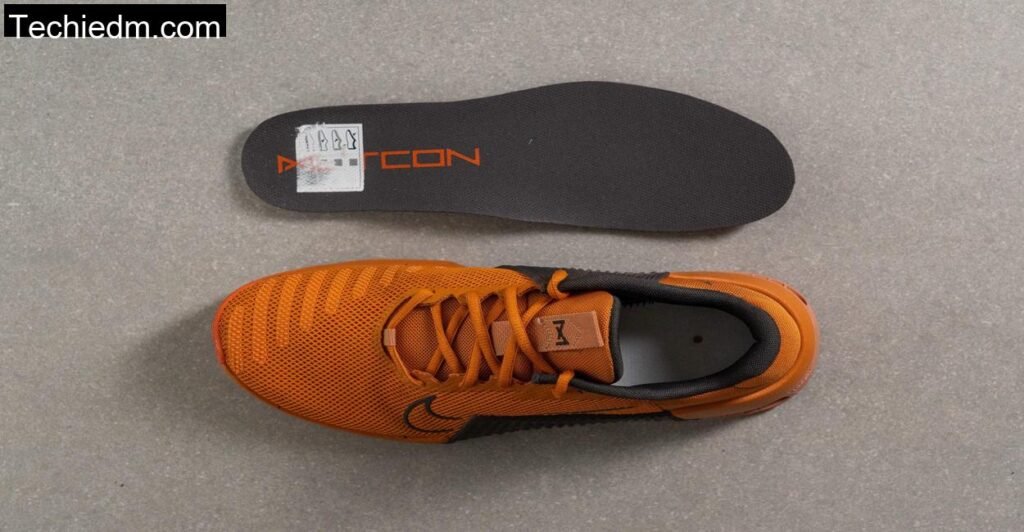
When I first unboxed the Nike Metcon 9, the shoe had the aura of durability. Its aesthetic was sharp, aggressive lines, a robust build, and a design that screamed performance. The rope guards on the sides immediately caught my attention. They’re massive, more prominent than any I’ve seen in previous Metcon iterations. The herringbone outsole looked like it was designed to bite into surfaces, and the dual-density midsole hinted at a smart balance between firm support and reactive cushioning.
But this wasn’t just about looks. I needed to see how these features performed under extreme duress.
The Desert Terrain Test: Performance in the Dunes
In the Cholistan, the ground shifts under your feet with every step. It’s not the place for soft, plush runners, this terrain demands stability, grip, and support.
The first test was simple: walking and light jogging across the sand dunes. Most shoes would sink or slide, but the Metcon 9 held its ground better than expected. The wide base and firm midsole provided a stable platform. Even on loose sand, the herringbone pattern on the outsole offered enough traction to prevent slipping.

Next came weighted carries and sled drags across the sand. The Hyperlift TPU heel insert showed its true worth here. It refused to compress under heavy loads, keeping me balanced and grounded. Despite being on an uneven, unpredictable surface, I felt connected to the ground.
Comfort and Fit: A Relief for Wide Feet
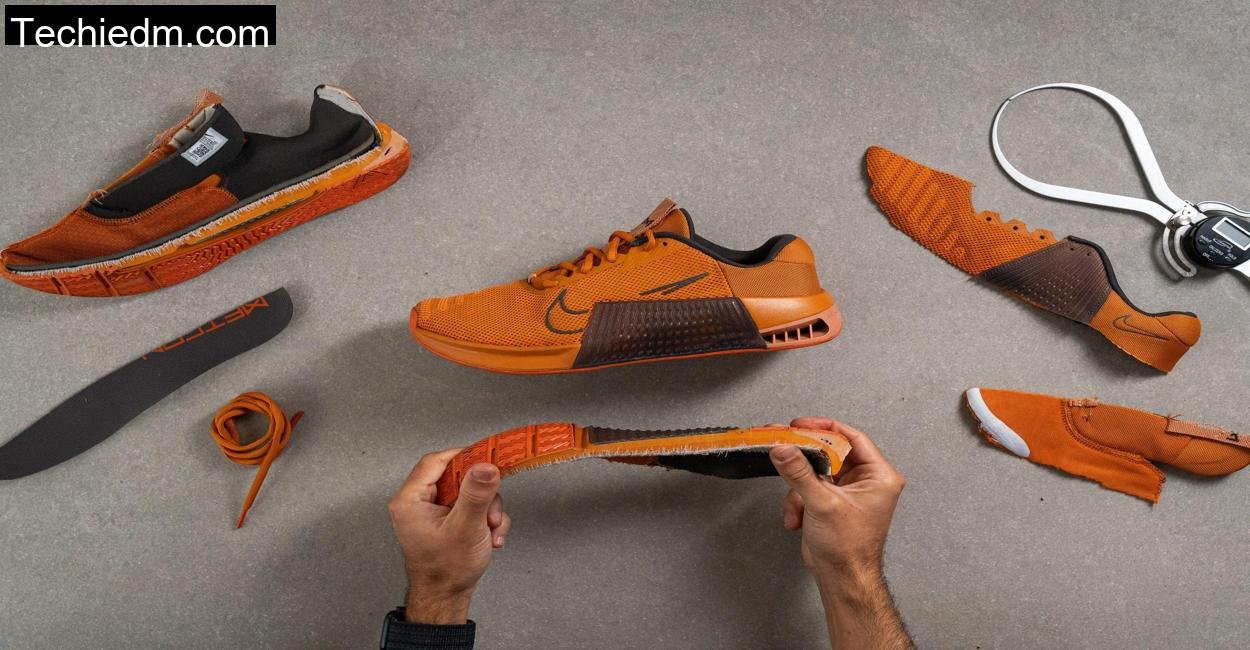
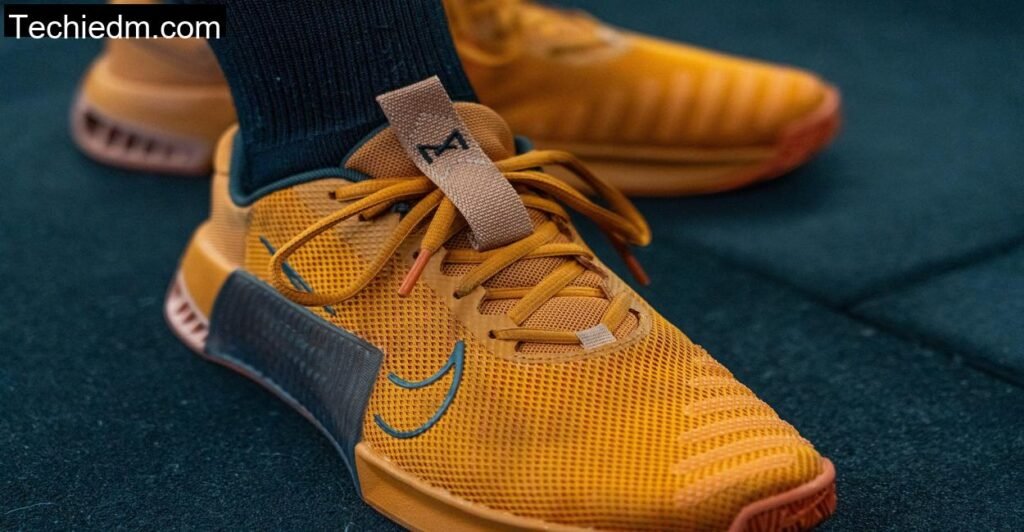
Nike finally listened to the community with the Metcon 9. As someone with slightly wide feet, I usually have to size up or remove insoles to avoid discomfort. Not this time. The forefoot comes in at 100.5 mm wide, and the toebox width is an accommodating 74.4 mm. My toes had room to splay, even during exercises like lunges and broad jumps where foot spread is critical.
The in-shoe feel was plush despite the shoe’s heavy-duty exterior. The 7.9 mm tongue padding and full gusset tongue helped lock the foot in without pressure points. I wore the shoes for over five hours straight in 42°C heat, and while the breathability isn’t stellar (rated 3/5), the internal padding and materials didn’t cause hot spots or discomfort.
Weight and Flexibility: The Trade-Offs
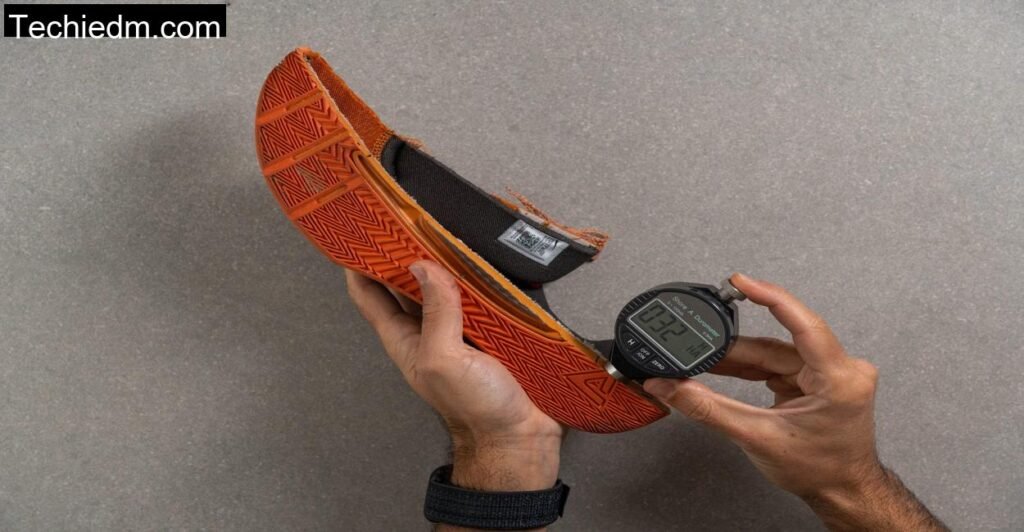
Let’s address the elephant in the room: the Metcon 9 is heavy. At 13.3 oz (378g), it’s noticeably bulkier than many cross-trainers. I felt this during agility drills and rope jumping. The shoe’s stiffness also became apparent when I tried to perform quick pivots or lateral shuffles on the sand.
However, this stiffness is also what gives the Metcon 9 its stability. The torsional rigidity is off the charts (rated 5/5), and the heel counter stiffness is a solid 4/5. This makes it ideal for lifting and static strength training, but not great for high-speed cardio or dynamic agility work.
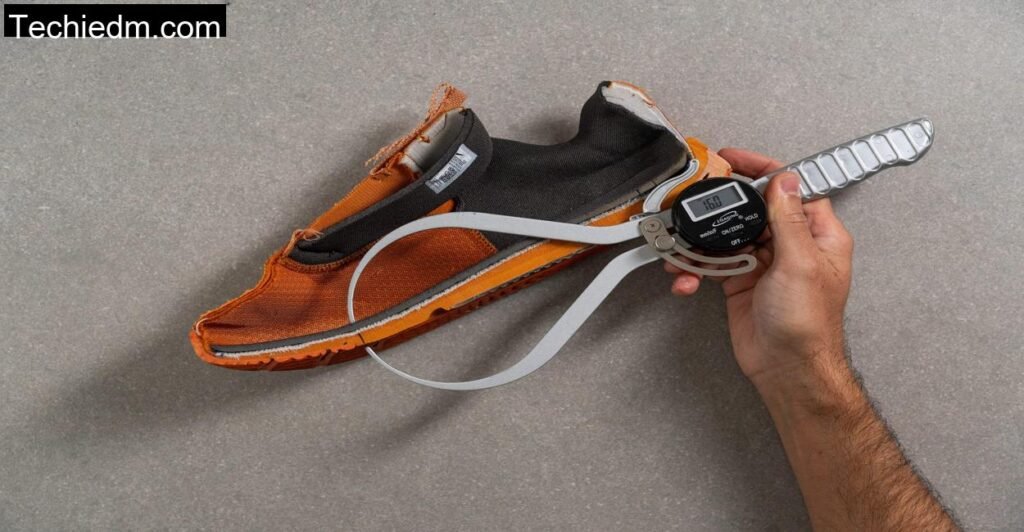
Technical Specification
All technical data is taken from Nike ’s official website for reliability and accuracy.
| Specification | Nike Metcon 9 Value | Training Shoe Average |
|---|---|---|
| Weight | 13.3 oz (378g) | 10.8 oz (305g) |
| Heel Stack Height | 21.5 mm | 24.8 mm |
| Forefoot Stack Height | 16.0 mm | 18.4 mm |
| Drop | 5.5 mm | 6.4 mm |
| Midsole Softness (Primary) | 32.3 HA | 27.8 HA |
| Midsole Softness (Secondary) | 22.0 HA | 38.2 HA |
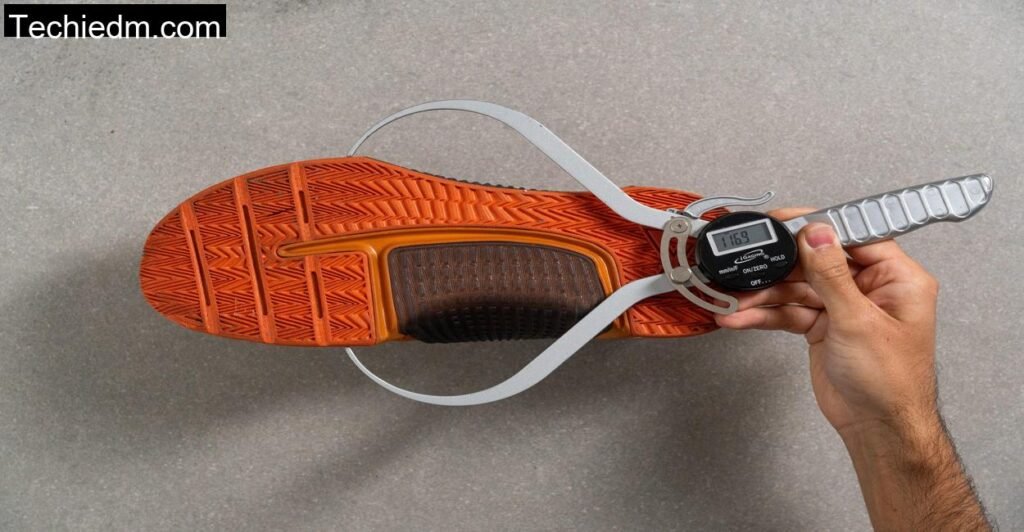
| Toebox Width | 74.4 mm | 73.1 mm |
| Forefoot Width | 100.5 mm | 97.0 mm |
| Heel Width | 95.0 mm | 87.3 mm |
| Outsole Hardness | 91.0 HC | 83.0 HC |
| Breathability | 3/5 | 3.6/5 |
| Torsional Rigidity | 5/5 | 2.7/5 |
| Flexibility Force (30° bend) | 13.3 N | 11.1 N |
| Rope Guard | Yes (massive) | Varies |
| Insole Thickness | 4.2 mm | 3.9 mm |
The Rope Climb Test: A New Standard
While there are no ropes hanging from acacia trees in the Cholistan, I set up a makeshift climbing rope on the side of a dune bank. I wanted to test the rope guard system Nike boasts about.
The outsole and sidewall protection did not disappoint. The enormous rope guard overlays gripped the rope during ascents and allowed controlled descents without burning through the upper. The curved midfoot shape also allowed for better rope wrapping. Honestly, I’ve never felt rope climbs this easy, and I wasn’t even in a gym.
Durability in the Wild: Desert-Proof Design
I dragged the shoes across sand, over dry roots, and even accidentally kicked a rock or two. After hours of abuse, the only visible wear was a slight smoothing on the outsole’s forefoot traction pattern. The upper, particularly the reinforced toebox with rubberized dots, held up against abrasions from sand and debris.
The heel collar padding showed no signs of fraying, and the laces stayed tight throughout. Nike’s choice of hard rubber (91.0 HC) for the outsole seems to have paid off. These shoes are built like tanks.
Final Thoughts: Who Is This Shoe For?
The Nike Metcon 9 is not for everyone. It’s heavy, stiff, and not the best for fast-paced, high-impact cardio. But if your training involves heavy lifting, rope climbs, sled pushes, and you value stability over speed, this is your shoe.
It’s especially ideal for athletes with wide feet who’ve struggled with narrower trainers in the past. The internal comfort is top-tier, and the durability is best-in-class.
Would I recommend running a 5K in the desert with them? Absolutely not. But would I wear them again for a strength and conditioning bootcamp in a place as challenging as Cholistan? Without hesitation.