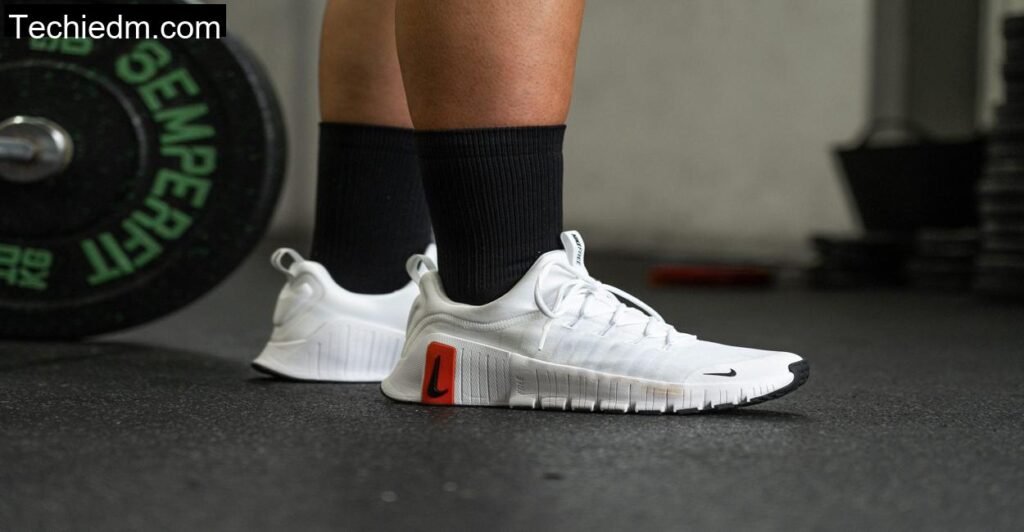
The Nike Free Metcon 6 is marketed as a gym all-rounder, a hybrid that blends the flexibility of the Free line with the stability of Metcon. That’s all fine when you’re flipping tires or hitting a HIIT circuit in a temperature-controlled gym. But what happens when you strap them on and take them to the Himalayas?
That’s exactly what I did. I wore the Nike Free Metcon 6 during a week-long trek culminating at Kanamo Peak, a 19,600 ft summit in the Spiti Valley of Himachal Pradesh. This wasn’t just a test of endurance, but a deliberate challenge to see if a gym shoe could survive, and perhaps even thrive, in a hostile, high-altitude environment.
Let’s break down how the Free Metcon 6 performed, from technical specs to real-world durability, traction, and comfort, across altitudes, terrains, and temperatures.
The Setting: Kanamo Peak, Spiti Valley
Kanamo Peak is not your average trail. The climb begins from Kibber village at 14,000 feet and ascends through scree, icy patches, glacial moraine, and dusty ridges all the way to the top. Breathing is a challenge. The terrain is uneven, unpredictable, and often unforgiving.
Why take a gym shoe here? Because if a shoe can handle this, it can handle virtually anything you throw at it in an urban or gym setting. Plus, I wanted to evaluate how well the Free Metcon 6 could transition between strength training, agility drills, and trail-like terrain.
Technical Specifications
Technical details are sourced directly from Nike’s official site for reliability and accuracy.
| Feature | Specification |
|---|---|
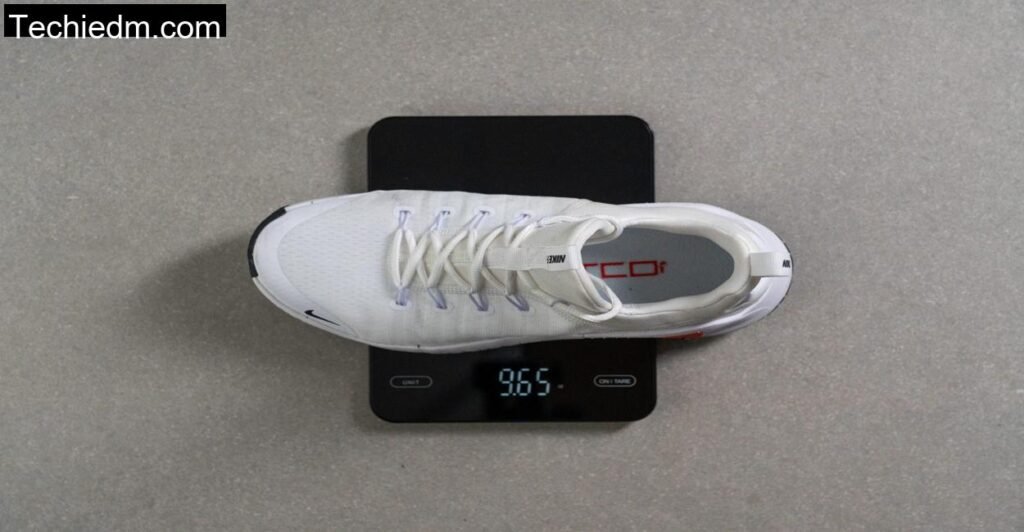
| Weight | 9.7 oz (274g) |
| Heel Stack Height | 22.0 mm |
| Forefoot Stack Height | 14.8 mm |
| Heel-to-Toe Drop | 7.2 mm |
| Midsole Softness (Heel) | 27.8 HA |
| Secondary Foam Softness | 22.5 HA |
| Breathability | 5/5 |
| Flexibility | 9.0N |
| Toebox Width | 71.6 mm |
| Midsole Width (Forefoot) | 113.9 mm |
| Midsole Width (Heel) | 94.4 mm |
| Grip (Friction Score) | 0.40 |
| Outsole Durability (Wear) | 0.7 mm dent after Dremel |
| Outsole Thickness | 2.6 mm |
| Insole Thickness | 4.1 mm |
| Torsional Rigidity | 2/5 |
| Heel Counter Stiffness | 3/5 |
| Price | ₹13,400 |
First Impressions: Lightweight and Breathable
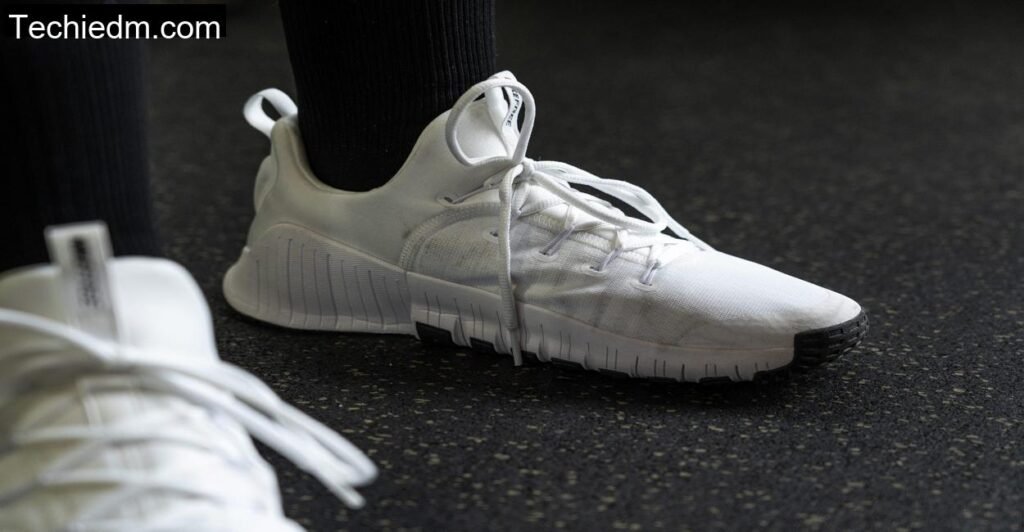
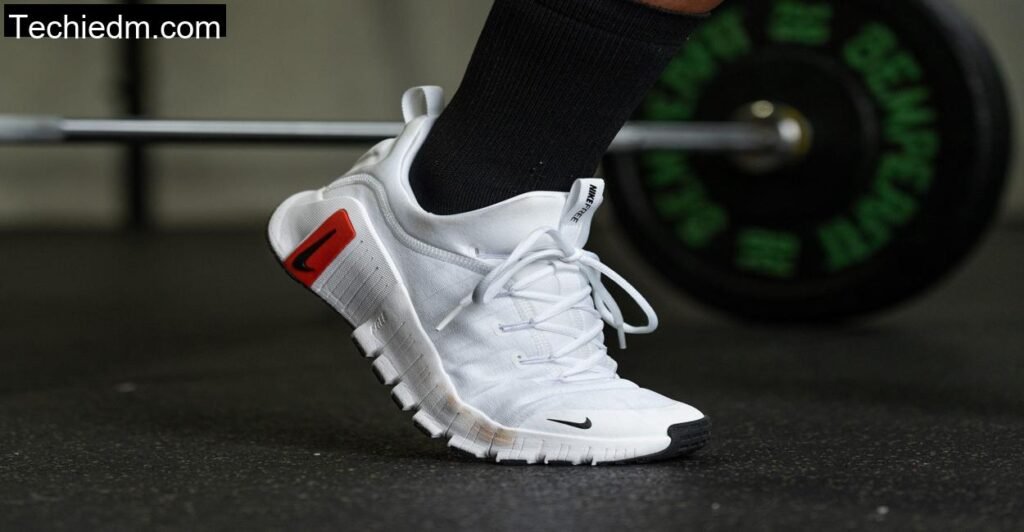
I first laced up the Free Metcon 6 at base camp in Kibber. Even at that altitude, the first thing that struck me was how light these felt. Despite the bootie-style upper, which can make slipping into them a bit cumbersome, once on, the fit was snug and sock-like.
The breathability was instantly noticeable. The air up here is thin and dry, and sweat dries quickly, but the mesh upper of the shoe allowed for constant air circulation. On gym floors, this is a luxury. On Kanamo’s gravel trails, it was a necessity. My feet never overheated, even during midday climbs under direct sun.
Stability and Flexibility on Uneven Terrain
This was the true litmus test. Could a shoe designed for squats, sled pushes, and planks provide balance and support on scree slopes and boulder patches?
The answer: unexpectedly, yes.
The firm foam under the heel provided a stable platform when I needed to dig in or descend cautiously. The wider midsole, 113.9 mm in the forefoot and 94.4 mm in the heel, gave me a sense of groundedness that I didn’t anticipate from a cross-trainer.
And while the forefoot was flexible enough to allow for natural foot movement, the shoe didn’t twist under pressure. The torsional rigidity score of 2/5 might suggest a lack of support, but in real-world use, the lateral stability was excellent. I credit this to the firm sidewalls and Flywire cables that hug the midfoot.

Cushioning and Comfort Over Long Hours
One might think that a 22 mm heel stack and 14.8 mm forefoot stack would make these uncomfortable for long treks. Not so.
Nike’s decision to place firmer foam only under the heel and softer foam across the rest of the midsole paid off in spades. The 27.8 HA in the heel provided shock absorption during downhill segments, while the 22.5 HA softness in the forefoot made toe-off transitions smooth.
Walking for 6-8 hours a day in these shoes didn’t result in hot spots or fatigue. Even after 12+ miles of hiking on summit day, my feet felt surprisingly fresh.
Traction During Climbs and Descents
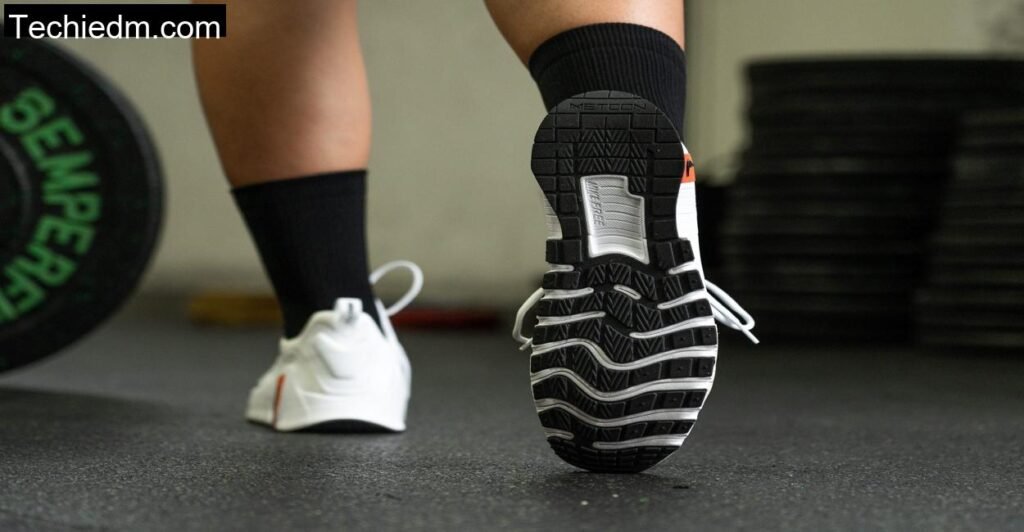
The outsole, with its herringbone and waffle tread pattern, gripped exceptionally well on dry rock, hard-packed earth, and even the occasional icy patch.
The friction score of 0.40 translated into real-world confidence. I never once felt like the shoe was going to slip out from under me, even on steep descents.
However, because of the thinner outsole (2.6 mm), I could feel sharp rocks and edges more than I would in a hiking-specific shoe. This is not a dealbreaker, but something to note if you plan extended trail use.

Durability: A Mixed Bag
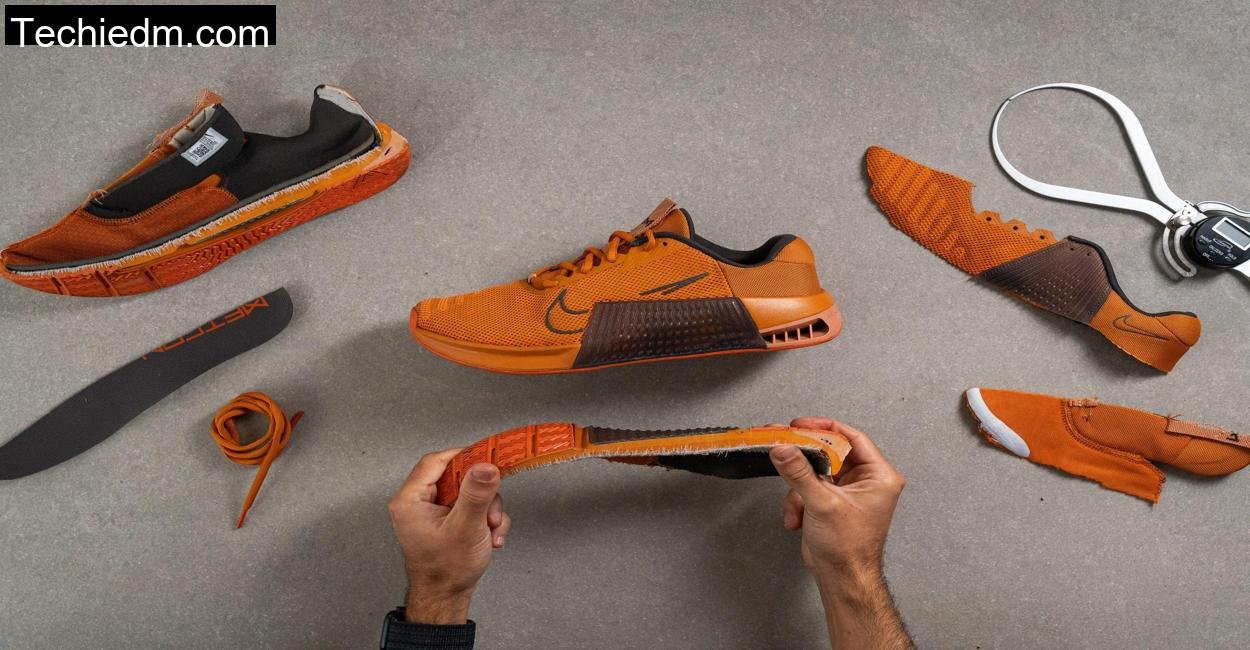
The Free Metcon 6’s mesh upper was the only real weakness. After several days of walking against grit, gravel, and the occasional brush against a jagged rock, the toebox began to show signs of fraying. This is consistent with its 2/5 score in toebox durability.
That said, the outsole held up impressively. After hours of abrasion against rocky terrain, there was minimal visible wear. The 0.7 mm dent from the Dremel test seems accurate.
The inner lining and heel padding also performed well. I experienced no heel slippage, and the padding remained intact despite repeated use.
Versatility: Gym to Trail and Back
What impressed me most was the shoe’s versatility. After returning from the trek, I hit a few workouts at my local gym in Delhi. The Free Metcon 6 transitioned seamlessly back to its intended environment.
Deadlifts up to 140 kg felt stable. Box jumps were smooth. The flexibility helped in explosive drills, and the breathability kept my feet cool even in Delhi’s humid summer.
This may be the only shoe I’ve worn that can do double duty as a gym staple and a light adventure companion.
Who Should Buy This Shoe
If you want a training shoe that can double as a travel companion for light to moderate hikes, the Nike Free Metcon 6 is unmatched in its category. It blends comfort, stability, and breathability in a way few trainers do.
If your workouts include a mix of lifting, cardio, and agility drills, and you sometimes find yourself on a dusty trail or urban hike, this is your shoe.

Who Should Skip It
If you’re a serious trail runner or mountaineer, this shoe won’t cut it as your primary footwear. The upper is not built for high abrasion, and the outsole isn’t thick enough for prolonged exposure to rocks and roots.
Likewise, if you regularly lift over 180 kg, especially with Olympic lifts, you’ll want something with a firmer platform like the Nike Metcon 9.
Final Thoughts
Taking the Nike Free Metcon 6 up Kanamo Peak was a bold experiment, but one that paid off. It proved to be more than just a gym shoe; it’s a lightweight, breathable, and ultra-stable hybrid that handles more than its specs would suggest.
In a world full of niche shoes designed for specific activities, the Free Metcon 6 dares to be a jack-of-all-trades, and largely succeeds. Whether you’re lifting in a gym, sweating through a HIIT workout, or scrambling up a Himalayan slope, this shoe has your back (and your foot).
Would I take it on another trek? Probably not for anything more rugged than Kanamo. But for urban explorers, travelers, and functional fitness athletes, the Nike Free Metcon 6 is a sleeper hit.
Highly recommended, just don’t try rope climbs.
Stay grounded, stay light, and never stop climbing.