There’s something magical about stepping onto the green expanse of M.A. Chidambaram Stadium. Known for hosting cricket legends and echoing with the roars of a hundred thousand fans, Chepauk, as locals fondly call it, was the perfect testing ground for a shoe that claims to be revolutionary in the stability category. I had the Saucony Guide 17 in my kit bag, a pair that’s been making waves for its redesigned geometry and rockered ride. But claims and lab tests are one thing, how would it hold up in real-world conditions, on a surface where agility and balance are everything?
I laced them up on a humid Chennai morning with the scent of turf and history in the air, and set out to explore every inch of this stability-focused daily trainer.
First Impressions: Aesthetics and Fit
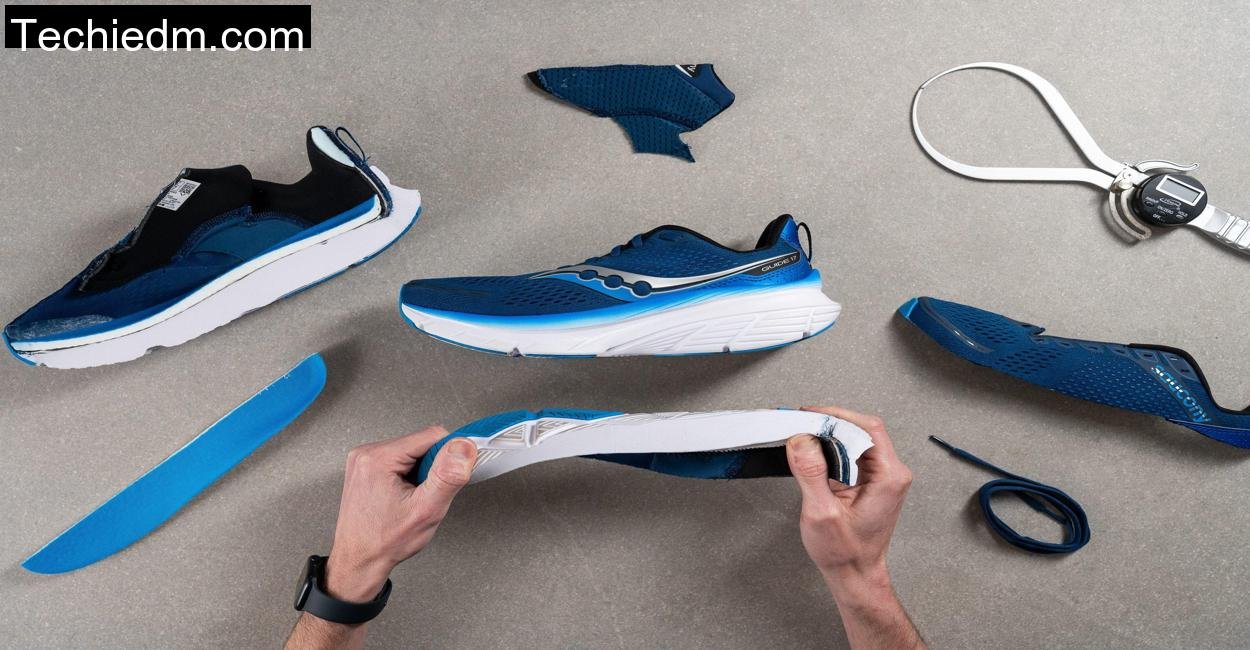
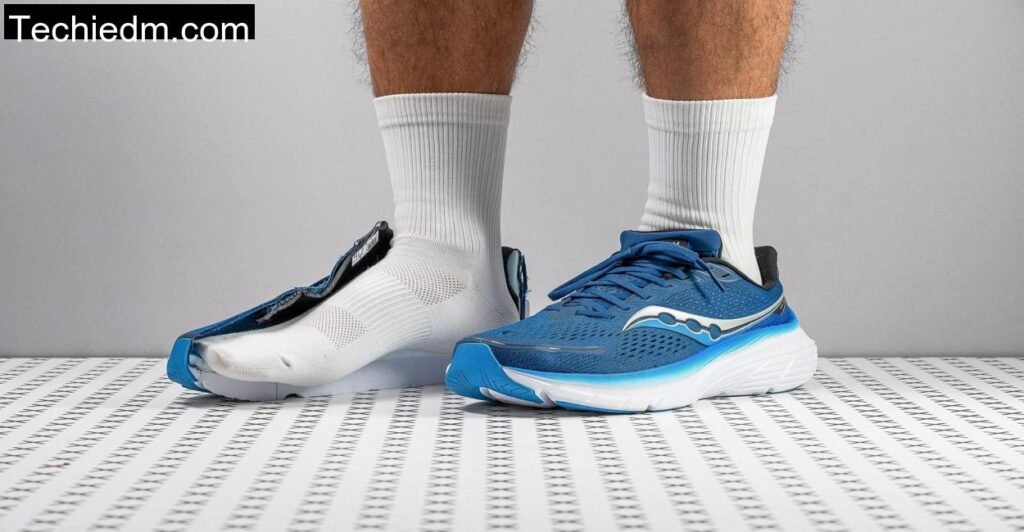
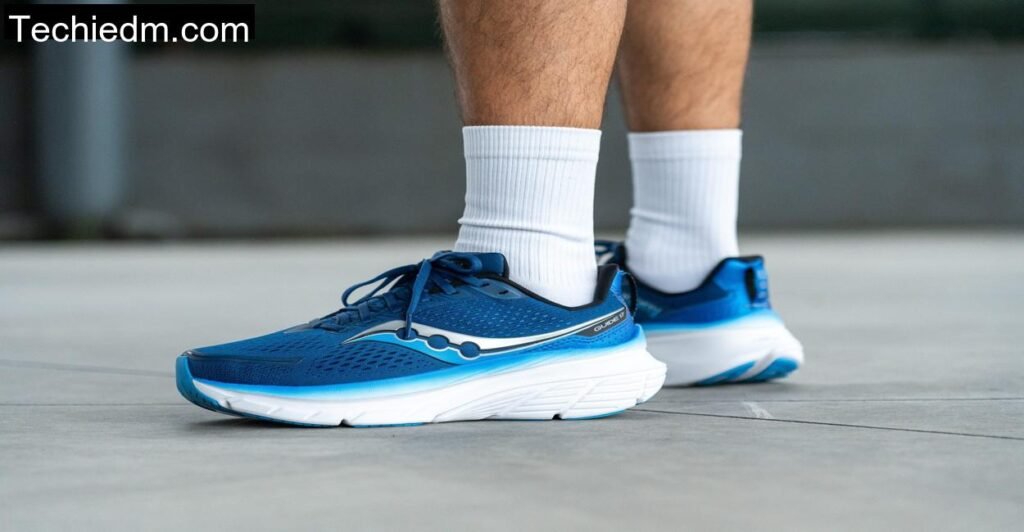
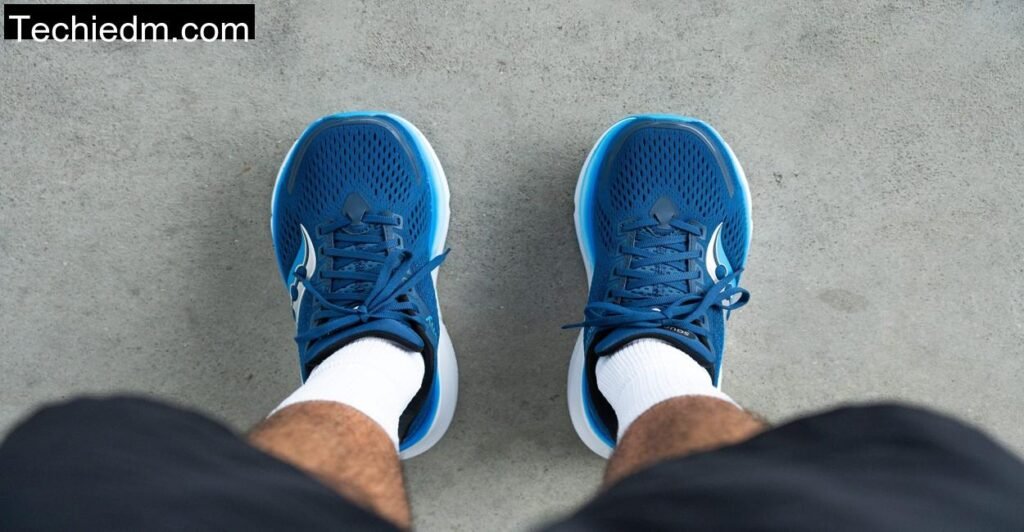
Right out of the box, the Saucony Guide 17 screams stability. The broader midsole is immediately noticeable, and the elevated sidewalls give it a bathtub-like design reminiscent of trail shoes. Its engineered mesh upper looks breathable yet structured, and the colorway I tested, Ocean Mist with Volt accents, was subtle but stylish.
Sliding my feet in, the first thing I noticed was the plushness. The PWRRUN+ insole is like a memory foam mattress for your foot: soft yet responsive. Fit-wise, it’s true to size. I wear a US 10, and these hugged my feet perfectly with no heel slippage or toe crunch. The heel counter is stiff enough to offer support, but not so rigid as to feel restrictive.
Technical Specifications
Information provided here is sourced from Saucony’s official website to ensure reliability and accuracy.
| Feature | Spec |
|---|---|
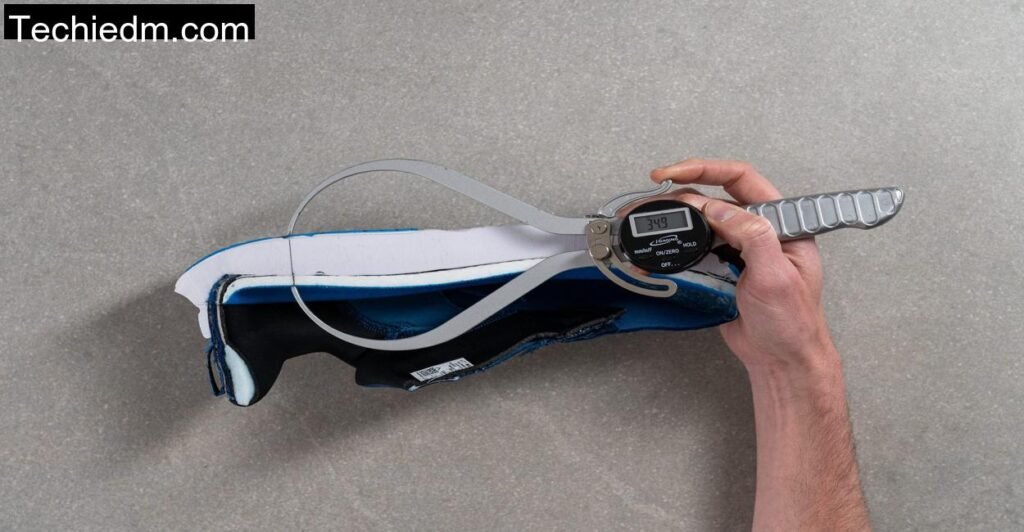
| Heel Stack Height | 34.9 mm |
| Forefoot Stack Height | 27.9 mm |
| Heel-to-Toe Drop | 7.0 mm |
| Weight | 9.7 oz / 275g |
| Midsole Material | PWRRUN (EVA+TPU blend) |
| Insole | Removable PWRRUN+ |
| Toebox Width | 73.7 mm |
| Midsole Width (Forefoot) | 121.0 mm |
| Midsole Width (Heel) | 104.6 mm |
| Flexibility (30° Bend Test) | 10.0N |
| Traction Score (Wet Test) | 0.44 |
| Breathability Score | 3/5 |
| Outsole Durability Loss | 0.6 mm |
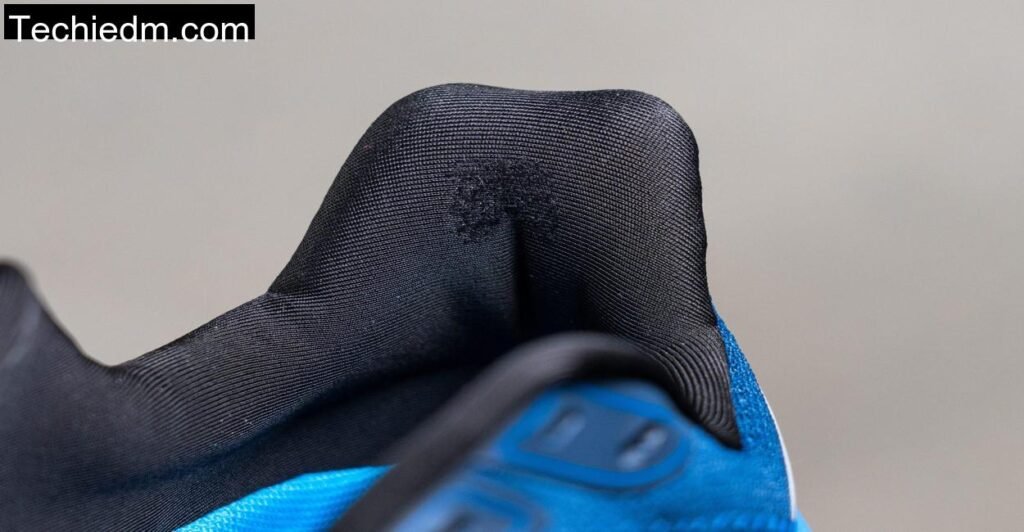
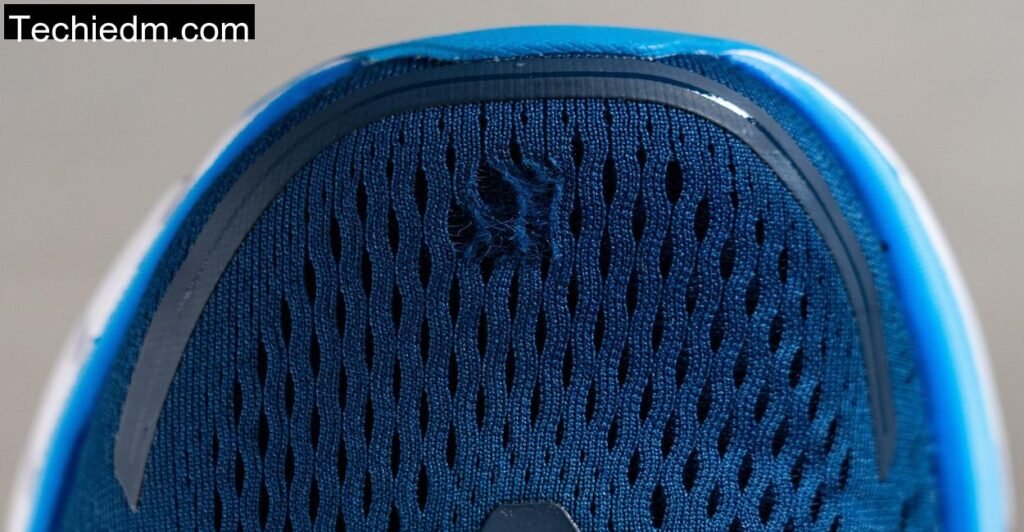
| Upper Durability | 3/5 (Toebox), 5/5 (Heel) |
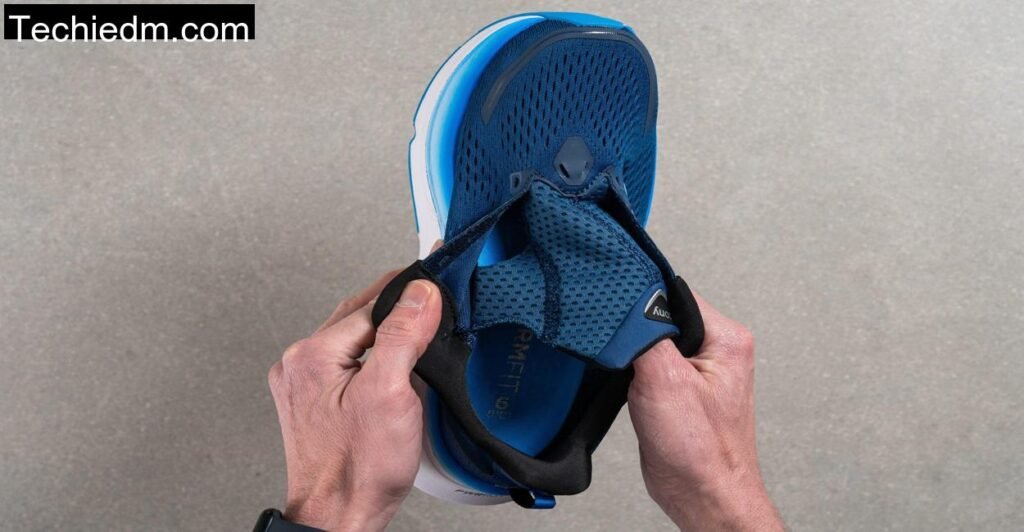
| Tongue Padding | 4.0 mm |
| Reflective Elements | Yes |
Ground Feel and Ride: From Boundary Lines to Dugouts
I started with a few light jogs across the outfield, and immediately the rockered geometry became noticeable. The toe-off felt smooth, almost like a guiding hand pushing you forward. The Guide 17 has completely ditched traditional medial posts, relying instead on sole flares and elevated midsole walls to center your foot. And it works.
Running drills along the periphery of the boundary line, where the turf meets the red soil, I appreciated just how stable the shoe felt. The wide base in both the heel and forefoot gave me a grounded feel, even when I performed abrupt side-to-side movements.
The transitions were seamless, there was no sense of lag or drag. The shoe has a moderate torsional rigidity (3/5), which balances structure with flexibility. It won’t twist like a noodle, but it also won’t fight your foot’s natural movement.
Cushioning and Shock Absorption: Bathtub Design that Cradles
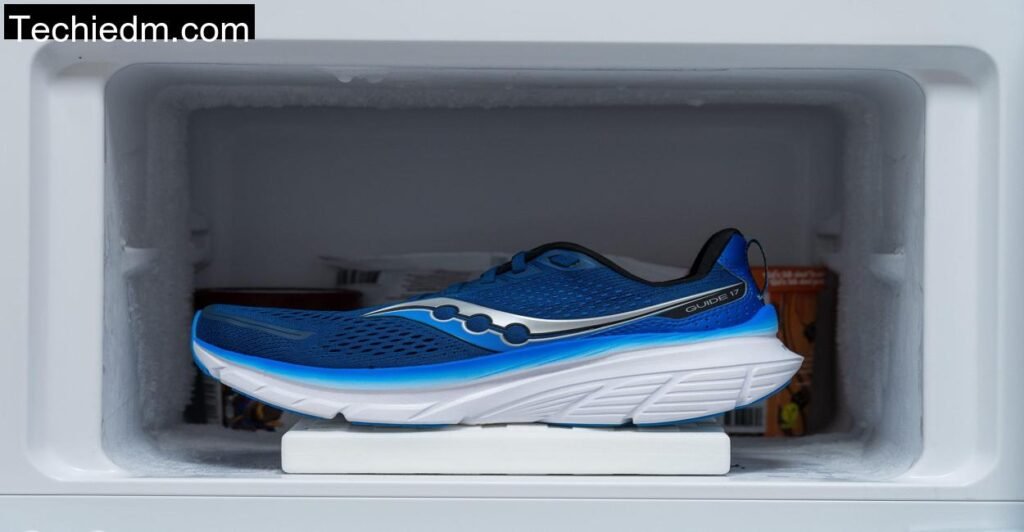
When it comes to cushioning, the Guide 17 delivers a moderate, well-balanced ride. Despite the chunky look, the heel softness is rated at 127 SA and the forefoot at 122 SA. These aren’t marshmallow-soft numbers, but that’s intentional. This is a stability shoe, and too much softness can compromise control.
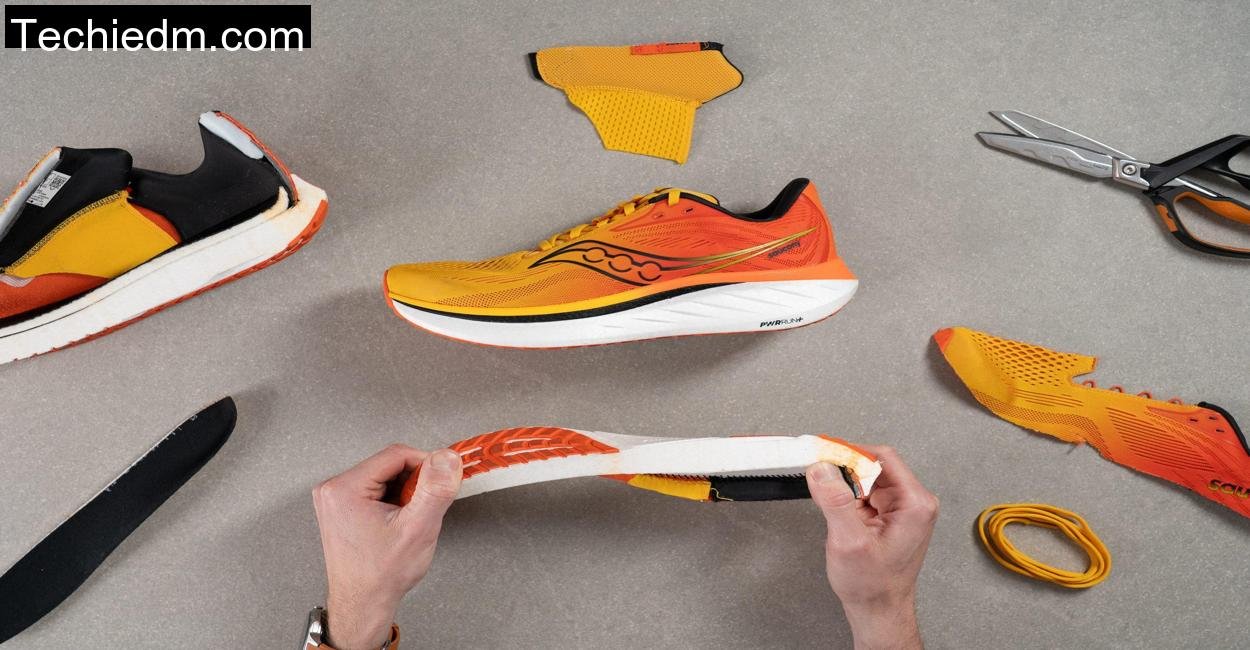
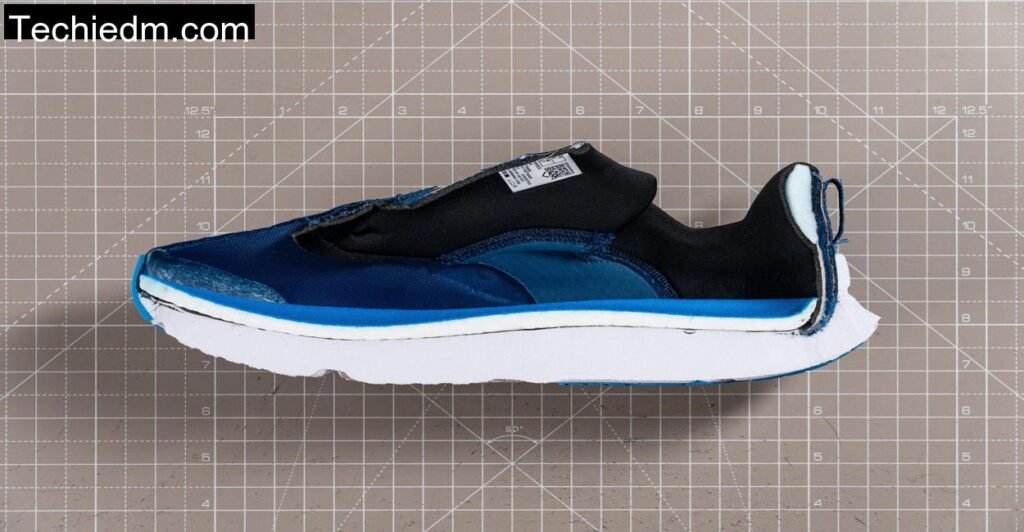
The bathtub design, where the foot sinks into the midsole rather than sitting on top, adds a layer of security. You feel cradled, not perched. During my sprints across the pitch, especially when transitioning from jogging to full-on sprint, this design helped keep my foot aligned and supported.
Even when I ran stairs up the gallery seats or did lateral hops near the dugout, the shock absorption felt consistent. The PWRRUN foam held up impressively well, offering a controlled, predictable bounce.
Traction and Grip: Holding Ground on Chepauk’s Turf
Chepauk’s turf is a mix of natural and synthetic, and on that slightly damp morning, it was slick in patches. This was the perfect condition to test the Guide 17’s outsole.
The traction score of 0.44 isn’t elite, but it’s respectable. I found the grip sufficient for rapid turns, and even when I tried to simulate a quick wicket-keeper’s shuffle, the outsole didn’t let me down. However, it’s worth noting that the rubber coverage is minimal. While this helps reduce weight, it also means more exposed foam, especially around the midfoot.
On clean pavement or track surfaces, you’ll be fine. But I wouldn’t recommend taking this shoe onto gravel or wet trails.
Breathability and Heat Management: Chennai’s Climate Test
Chennai in summer is a furnace. The Guide 17’s engineered mesh upper was put to the ultimate test in 35-degree heat with 70% humidity. Despite its 3/5 breathability rating, I was pleasantly surprised.
The forefoot ventilation is excellent. During a 5K run along the perimeter of the stadium, my feet stayed relatively cool. However, the medial side and heel have less airflow. You might feel a bit of heat build-up during longer runs, but nothing alarming.
The light test and smoke test used in lab evaluations do suggest average breathability, but in real-world use, it performs slightly better than expected, especially due to the stretchy and comfortable upper.
Durability and Long-Term Performance: No Early Retirements Here
After 50+ kilometers on turf, concrete, and synthetic track, the Guide 17 has shown minimal signs of wear. The outsole wear was just 0.6 mm, and the heel padding scored a perfect 5/5 in durability tests. The toebox mesh, while not invincible, held up better than expected thanks to its multi-layer construction.
The tongue padding has been reduced to 4.0 mm from 7.7 mm in the previous model, which saves weight but slightly reduces plushness. Still, it was comfortable enough for extended wear.
The insole deserves a special mention. At 6.7 mm thick and made of PWRRUN+, it’s perhaps one of the most luxurious insoles I’ve tested in a stability shoe. It’s also removable, for those who prefer custom orthotics.
Stability Without the Brick Wall: A Modern Approach
What sets the Guide 17 apart is its modern take on stability. Gone are the days of dual-density foam and stiff medial posts. Saucony has embraced anatomical geometry and smart design.
The sole flares, rockered shape, and increased midsole width do the heavy lifting here. The heel width of 104.6 mm and forefoot width of 121.0 mm create a wide, stable base that supports without constraining. The shoe feels more like a sports car with excellent suspension than a tank built for war.
Even during lateral bounds and zig-zag runs near the nets, my ankles felt supported but free. For runners with mild to moderate overpronation, or even neutral runners who want a little extra guidance, this is a dream scenario.
Final Verdict: A Shoe that Deserves a Place in Your Lineup
After days of testing on one of India’s most iconic sports grounds, my verdict is clear: the Saucony Guide 17 is a modern marvel in the stability shoe market. It blends science and comfort in a way that few shoes manage.
It’s not the bounciest, nor the lightest, but it’s one of the most thoughtfully designed and well-executed trainers I’ve worn in recent years. For daily training, long runs, recovery jogs, or even walking around the city, it’s a reliable partner.
Is it perfect? Not quite. The grip could be better, and the tongue could use a bit more padding. But these are minor quibbles in an otherwise stellar package.
So whether you’re pacing the outfield of a cricket stadium or hitting the pavement in your neighborhood, the Saucony Guide 17 is a shoe that will guide you, confidently and comfortably, through every step.
Closing Thoughts: Chepauk and the Guide 17, A Fitting Duo
There’s poetry in testing a shoe built for support and longevity on a field that’s seen decades of athletic excellence. The M.A. Chidambaram Stadium demands respect, and the Saucony Guide 17 earned it.
From its rockered ride to its plush insole, from its anatomical stability to its breathable upper, this shoe doesn’t just meet expectations, it quietly, confidently exceeds them.
So if you’re looking for a stability trainer that respects your biomechanics without getting in your way, give the Guide 17 a shot. It might just become your new favorite daily driver.