When I first got my hands on the Nike Vaporfly 3, the idea of testing them in a conventional urban setting didn’t excite me. Instead, I packed my gear and boarded a flight to Nagaland, heading straight to the heritage village of Khonoma. Nestled in the northeast hills of India, Khonoma is a place where every stride is met with resistance, undulating terrain, narrow paths, ancient stone steps, and trails that demand both stability and resilience. It’s not your average marathon course, but that’s exactly why I chose it.
As I laced up the Vaporfly 3 against the backdrop of terraced fields and misty ridgelines, I was eager to see if this high-tech road shoe could handle the unpredictable nature of Khonoma’s terrain. The goal was simple: put the shoe through rigorous real-world testing and determine whether the latest iteration of Nike’s iconic supershoe lived up to its lab-born reputation.
Build and Design: Light as Air, Sharp as a Blade
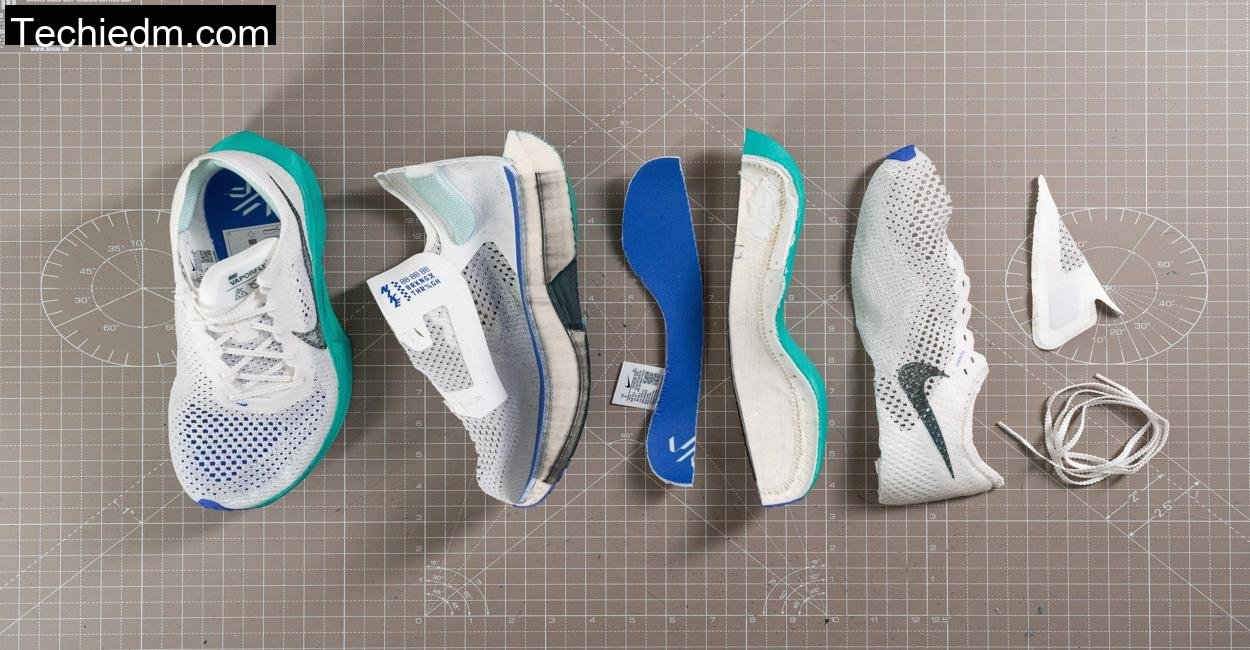
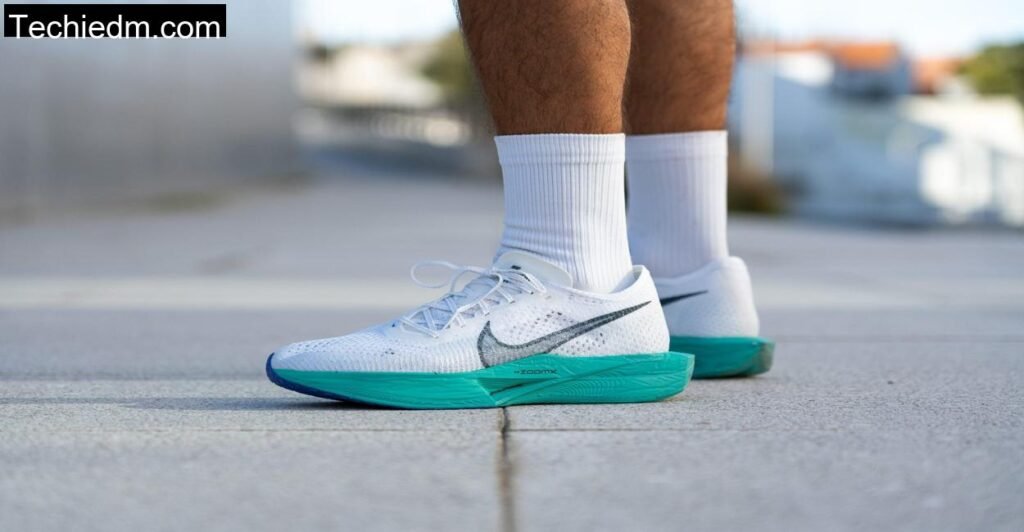
The first thing you notice about the Vaporfly 3 is its weight, or lack thereof. Tipping the scale at just 6.7 oz (190g), it feels featherlight, almost ethereal. The upper is composed of a finely engineered Flyknit mesh, which is both breathable and form-fitting. Running through the humid climbs of Khonoma, I could feel the airflow with every step. It’s easily the most ventilated shoe I’ve worn, and believe me, I’ve tested dozens.
Nike has opted for a more angular design compared to previous versions. The shoe features a spoon-shaped carbon plate embedded within a plush ZoomX midsole. It’s designed to deliver a responsive toe-off and a quick transition. But how would it cope with the irregular elevation of Khonoma?
As I hit the first incline, an old Naga pathway lined with uneven stones, the carbon plate kicked in. I felt the forward propulsion immediately. The rocker mechanism worked like a charm, helping me maintain cadence even on steep climbs. However, on sharp descents, the narrow heel base became an issue. I found myself adjusting my footing more often than usual to maintain balance.
Technical Specification
Technical insights here are taken from Nike’s official site for reliability and accuracy.
| Feature | Nike Vaporfly 3 Specification |
|---|---|
| Weight | 6.7 oz (190g) |
| Drop | 11.1 mm |
| Heel Stack Height | 37.1 mm |
| Forefoot Stack Height | 26.0 mm |
| Midsole Material | ZoomX (Pebax foam) |
| Plate | Full-length carbon fiber FlyPlate |
| Upper Material | Breathable Flyknit |
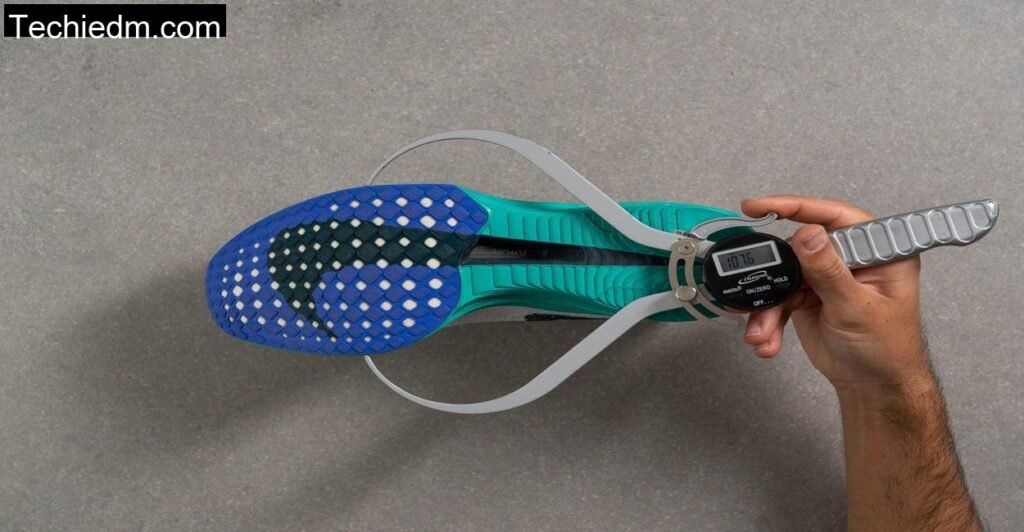
| Toebox Width | 73.1 mm |
| Breathability Score | 5/5 |
| Flexibility (Bend Test) | 18.4N |
| Traction Score | 0.51 (Excellent) |
| Outsole Thickness | 1.9 mm |
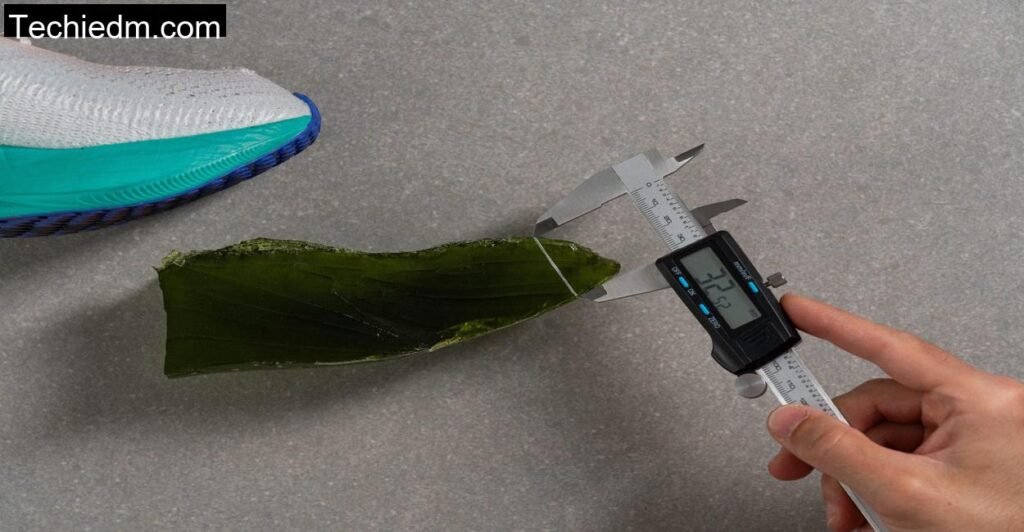
| Insole Thickness | 3.3 mm |
| Durability (Toebox) | 1/5 (Low) |
| Durability (Heel Padding) | 5/5 (Excellent) |
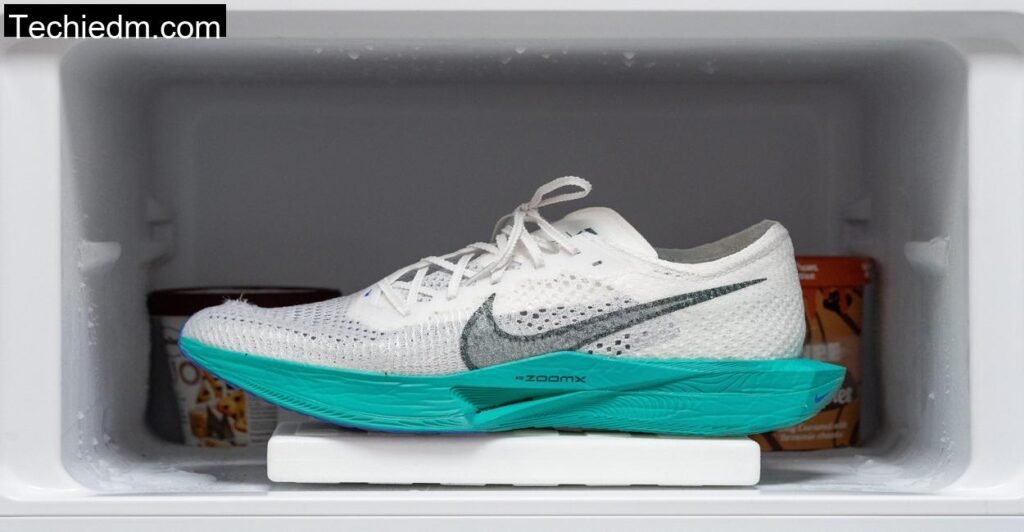
| Midsole Softness | 16.8 HA |
| Energy Return | 75% |
| Torsional Rigidity | 4/5 |
| Heel Counter Stiffness | 3/5 |
| Removable Insole | No |
Uphills and Downhills: The Real Test Begins
Khonoma is not flat. It’s a woven landscape of sudden inclines and sharp declines, making it a brutal test for any shoe that wasn’t designed with trail running in mind. As I began the uphill segments, the Vaporfly 3’s carbon plate and ZoomX foam worked in tandem to give my stride a springy boost. The energy return felt phenomenal, like I was being gently pushed forward with every step.
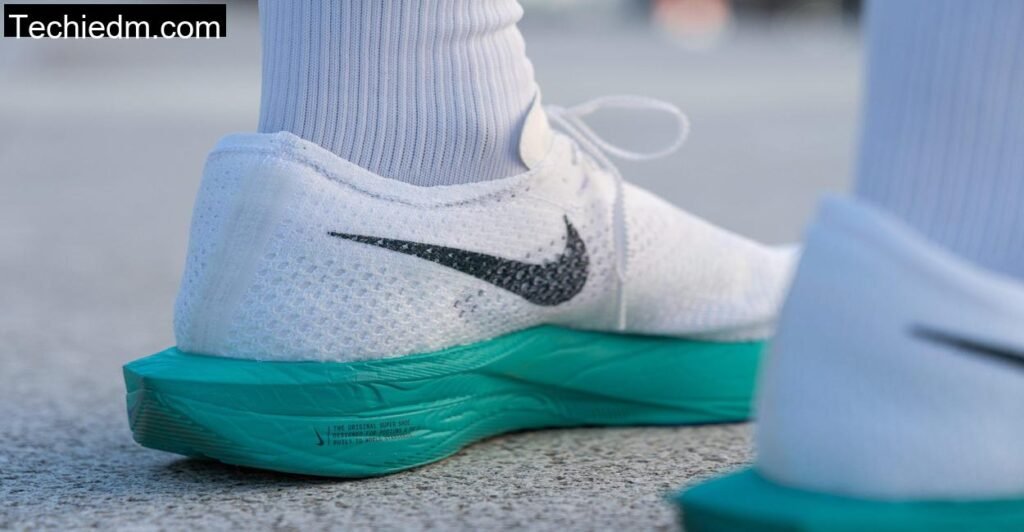
But the descents were less forgiving. The shoe’s narrow heel made landings feel precarious, especially when navigating loose rocks and muddy patches. I had to switch to a midfoot strike to feel more secure, something heel strikers might struggle with on such terrain.
On flatter segments, like the main village path and the surrounding rice terraces, the Vaporfly 3 showed its true potential. It was fast, fluid, and efficient. For marathoners, this is where the shoe shines best: long, uninterrupted stretches where you can let the rocker do the work.
Breathability and Comfort: A Summer Runner’s Dream
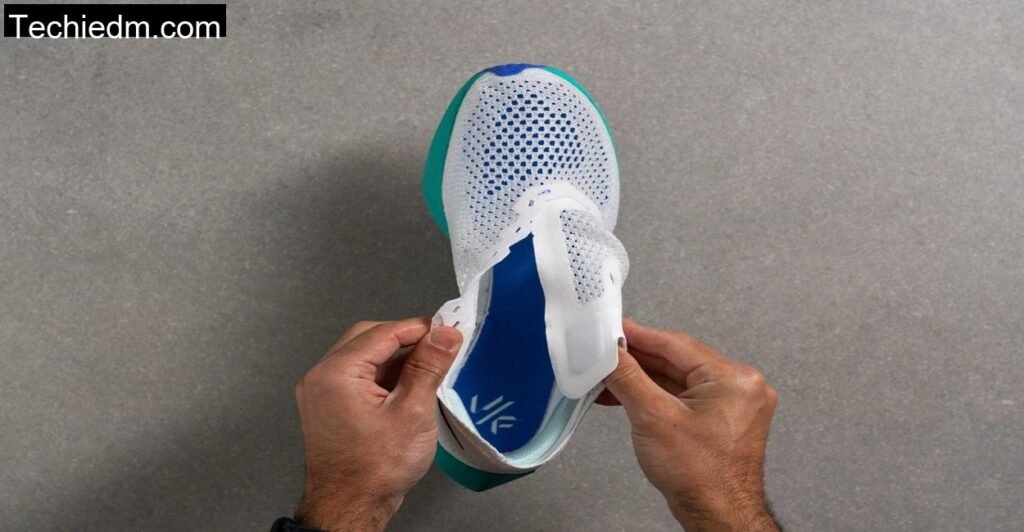
One of the most surprising aspects of the Vaporfly 3 is just how breathable it is. Running in the humid climate of Nagaland, especially during monsoon-adjacent weather, can feel like being inside a sauna. But the Flyknit upper allowed exceptional airflow throughout the run. Even after 20 kilometers in the mountains, my feet felt relatively fresh, with minimal moisture buildup.
Although the tongue is large and a bit awkward, it is padded well enough to prevent lace bite. The heel collar offered a snug fit without being overbearing, and the plushness of the foam underfoot made longer runs feel luxurious. However, this is not a shoe for people with wide feet. The narrow midfoot and heel can be restrictive, especially when the foot begins to swell during long efforts.
Traction and Durability: A Mixed Bag
The outsole of the Vaporfly 3 features a thin layer of rubber with a mini-lug design. In dry conditions, the grip was exceptional. I ran across mossy stones, wet concrete, and even some soft mud without slipping. The outsole scored a traction rating of 0.51, which is among the best I’ve ever tested in a road racing shoe.
That said, the durability of the upper is questionable. During a particularly aggressive climb, I brushed against a sharp stone edge, and the Flyknit upper showed signs of tearing. Nike has prioritized weight and breathability over durability, and it shows.
The heel padding, on the other hand, held up excellently. Even after multiple wears, there was no noticeable wear or breakdown. The outsole rubber also showed minimal signs of wear after 60 kilometers of mixed-surface running.
Stability and Fit: Improved but Not Perfect
The Vaporfly series has always been criticized for its lack of stability. The third iteration attempts to address this with a slightly wider forefoot and improved torsional rigidity. I did feel slightly more secure than I did in the Vaporfly 2, especially during lateral movements.
But the heel still remains narrow, and that’s a problem for anyone who overpronates or lacks good ankle stability. On Khonoma’s uneven terrain, I had to remain constantly aware of my footing. The shoe rewards precision and punishes carelessness.
The fit stayed true to size for me. The Flyknit upper stretches slightly, allowing a snug but forgiving fit. The toebox is roomier compared to earlier models, making it more accommodating for runners with square or Roman-shaped feet.
Final Thoughts: Is the Vaporfly 3 Worth It?
Testing the Nike Vaporfly 3 in Khonoma was an experience I’ll never forget. It’s not every day you get to wear a piece of cutting-edge running technology while navigating through a living heritage village surrounded by nature.
The Vaporfly 3 is undoubtedly one of the best marathon racing shoes available today. It excels in energy return, breathability, and weight. On predictable surfaces like roads and tracks, it’s a monster. But in more technical environments or for runners requiring more stability, it may fall short.
So who is this shoe for? It’s best suited for competitive marathoners and half marathoners who crave performance and can handle a shoe that demands precision. If you’re a heel striker blessed with good mechanics, you’ll find the Vaporfly 3 to be an invaluable racing companion.
As for me, Khonoma may have tested its limits, but the Vaporfly 3 came out with a commendable performance, proving that even the most high-tech of shoes can find their stride in the most ancient of places.